

Furnace vs. Heat Pump: Which Heating System Offers the Best Cost, Efficiency, and Comfort for Your Home?
When it comes to heating your home, choosing the right system is crucial for comfort, efficiency, and cost-effectiveness. This article will explore the differences between furnaces and heat pumps, helping you make an informed decision based on your specific needs. Understanding the operational mechanisms, costs, and energy efficiency of these heating systems is essential for homeowners looking to optimize their heating solutions. Many people face challenges in selecting the best heating system for their homes, often leading to confusion and potential overspending. This guide will clarify these issues by examining key differences, costs, energy efficiency, climate performance, maintenance needs, and the potential benefits of hybrid systems. We will delve into specific metrics and real-world scenarios to provide a comprehensive comparison, ensuring you have all the information required to make the best choice for your household.
What Are the Key Differences Between Furnaces and Heat Pumps?
Furnaces and heat pumps are two distinct types of heating systems, each with unique operational mechanisms and benefits. A furnace generates heat by burning fuel, such as natural gas, propane, oil, or using electricity, and distributes it through ductwork. This process involves direct combustion or resistive heating to create warmth. In contrast, a heat pump transfers heat from the outside air or ground into your home, making it an energy-efficient option for moderate climates. Instead of generating heat, it moves existing thermal energy, effectively acting as a two-way air conditioner. Understanding these fundamental differences can help homeowners choose the right system for their heating needs, considering both their immediate comfort and long-term energy consumption.
How Does a Furnace Work and What Fuel Types Are Available?
A furnace operates by burning fuel to create heat, which is then circulated throughout the home via a system of ducts. The process typically involves a burner igniting fuel in a combustion chamber, heating a heat exchanger, and then a blower fan pushing air over the hot heat exchanger and into the ductwork. Common fuel types include natural gas, propane, oil, and electricity. Gas furnaces are popular due to their efficiency and often lower operating costs, with modern units achieving Annual Fuel Utilization Efficiency (AFUE) ratings of 80% to over 98%. Propane and oil furnaces operate similarly but rely on stored fuel, which can be more expensive and require regular deliveries. Electric furnaces, while often easier to install and maintain due to no combustion byproducts, typically have higher operating costs because electricity is generally more expensive per BTU than natural gas. The efficiency of a furnace is measured by its AFUE rating, which indicates how much of the fuel is converted into usable heat. For example, a 95% AFUE furnace converts 95% of the fuel’s energy into heat, with only 5% lost through the exhaust. Higher AFUE ratings signify better efficiency, leading to lower energy bills and reduced fuel consumption.
How Does a Heat Pump Operate and What Are Its Main Types?
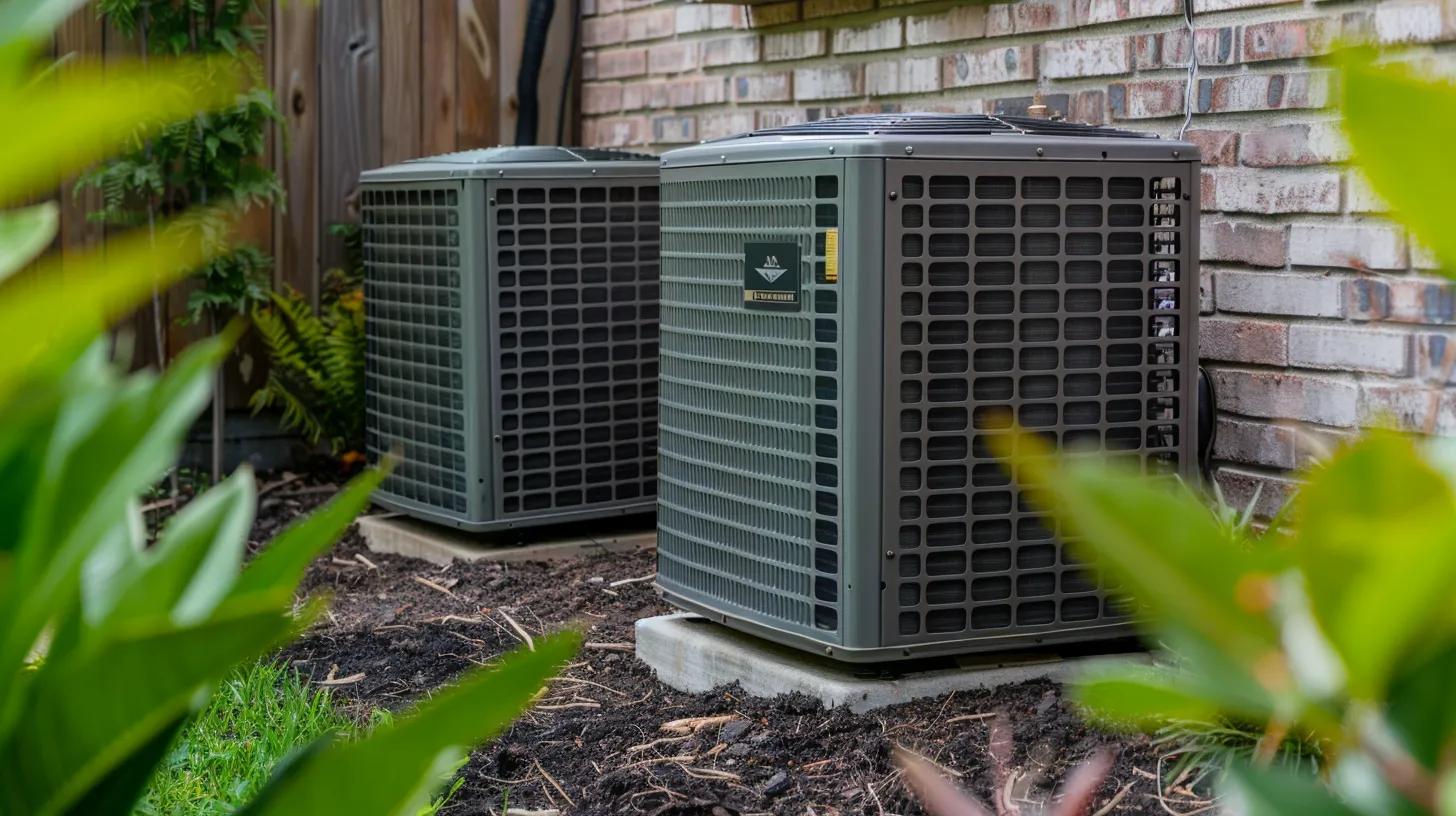
Heat pumps function by transferring heat rather than generating it, utilizing a refrigeration cycle similar to an air conditioner but with the ability to reverse the flow. They use a refrigerant to absorb heat from the outside air or ground (even in cold temperatures) and then compress it to increase its temperature before distributing it indoors. In heating mode, the outdoor coil acts as an evaporator, absorbing heat, and the indoor coil acts as a condenser, releasing heat into the home. There are two main types of heat pumps: air-source and geothermal (also called ground-source). Air-source heat pumps are more common and can efficiently heat and cool homes, with Heating Seasonal Performance Factor (HSPF) values typically ranging from 8 to 13, and Coefficient of Performance (COP) values often between 2 and 4. This means for every unit of electricity consumed, they can deliver 2 to 4 units of heat. Geothermal heat pumps utilize the stable temperatures underground (typically 45-55°F or 7-13°C year-round) for enhanced efficiency, often achieving COPs of 3 to 5 or even higher, making them the most efficient heating and cooling systems available. Both types can significantly reduce energy consumption compared to traditional heating systems, often by 30-60% depending on the climate and previous system.
Which Heating System Is More Energy Efficient and Environmentally Friendly?
Energy efficiency and environmental impact are critical factors in selecting a heating system, especially with growing concerns about climate change and rising energy costs. Understanding how furnaces and heat pumps compare in these areas can help homeowners make a more sustainable and economically sound choice for their property.
How Do AFUE Ratings for Furnaces Compare to COP and HSPF Ratings for Heat Pumps?
Furnaces are rated using the Annual Fuel Utilization Efficiency (AFUE) metric, which measures the percentage of fuel converted into usable heat over a typical heating season. A higher AFUE rating indicates better efficiency, with modern high-efficiency furnaces reaching up to 98-99% AFUE. For example, an 80% AFUE furnace loses 20% of its heat through the flue, while a 95% AFUE furnace loses only 5%. The minimum AFUE for new furnaces in the U.S. is typically 80%. In contrast, heat pumps are evaluated using the Coefficient of Performance (COP) and Heating Seasonal Performance Factor (HSPF) ratings. COP is a measure of heating efficiency at a specific temperature, representing the ratio of heat output to electrical input. A COP of 3 means the heat pump delivers three times more heat energy than the electrical energy it consumes. HSPF is a seasonal measure of heating efficiency, similar to AFUE, but for heat pumps. It represents the total heating output during a typical heating season divided by the total electricity consumed. Generally, heat pumps have significantly higher efficiency ratings than even the most efficient furnaces, with HSPF values typically ranging from 8 to 13 (equivalent to an AFUE of 230-380% if directly comparable, though they are different metrics), and COP values often between 2 and 4. This means heat pumps are inherently more energy-efficient because they move heat rather than generate it, making them a more energy-efficient option in suitable climates.
What Is the Carbon Footprint Difference Between Furnaces and Heat Pumps?
The carbon footprint of heating systems is an essential consideration for environmentally conscious homeowners. Furnaces, particularly those that burn fossil fuels like natural gas, propane, or oil, tend to have a higher carbon footprint due to direct greenhouse gas emissions (primarily CO2) released during combustion. For example, burning one therm of natural gas releases approximately 12 pounds of CO2. While modern gas furnaces are more efficient, they still contribute to atmospheric carbon. Heat pumps, especially when powered by renewable electricity, can significantly reduce carbon emissions. Since they transfer heat rather than create it, their direct emissions are zero. The indirect emissions depend on the electricity source. As electricity grids increasingly incorporate renewable energy sources (solar, wind), the carbon footprint of heat pumps continues to decrease. Studies show that switching from a fossil fuel furnace to a heat pump can reduce a home’s carbon emissions by 20-70%, depending on the local electricity grid’s carbon intensity. By choosing a heat pump, homeowners can contribute to a more sustainable future while enjoying lower energy costs and reducing their environmental impact.
How Do Furnaces and Heat Pumps Perform in Different Climates?
The performance of heating systems can vary significantly based on climate conditions, particularly extreme cold or prolonged mild temperatures. Understanding how each system operates in different environments is crucial for making the right choice that ensures consistent comfort and efficiency throughout the year.
Can Heat Pumps Effectively Heat Homes in Cold Climates?
Historically, heat pumps were less effective in very cold climates, as their efficiency would drop significantly below freezing temperatures, often requiring supplemental electric resistance heating. However, modern cold-climate air-source heat pumps have made remarkable advancements. They are designed with variable-speed compressors and enhanced vapor injection technology, allowing them to operate efficiently even at temperatures as low as -15°F (-26°C) or lower, and some models can provide heat down to -22°F (-30°C). These advanced units can maintain a COP of 2 or higher even in sub-zero conditions, meaning they are still twice as efficient as electric resistance heating. While their output capacity may decrease slightly at extreme lows, they remain a viable and energy-efficient option for many homeowners in regions with significant winter cold, often reducing the need for a separate, less efficient backup system. In extremely cold regions with prolonged periods below -15°F, a supplemental heating source, such as a small furnace or electric resistance heat, may still be integrated to ensure consistent warmth and comfort during the coldest days.
When Is a Furnace the Better Choice for Harsh Winter Conditions?
Furnaces are often the better choice for harsh winter conditions due to their ability to generate heat quickly and maintain consistent, high temperatures regardless of the outdoor climate. In areas with severe winters, characterized by prolonged periods of sub-zero temperatures (e.g., below 0°F or -18°C) and heavy snowfall, a gas, propane, or oil furnace can provide reliable and robust heating. Furnaces deliver a higher temperature rise (the difference between the air temperature entering and leaving the furnace) compared to heat pumps, which can be crucial for maintaining comfort in extremely cold environments. For example, a furnace might deliver air at 120-140°F (49-60°C), while a heat pump might deliver air at 90-105°F (32-41°C). This higher temperature output from a furnace can feel warmer and more consistent when outdoor temperatures are plummeting. Homeowners in these regions, particularly those without access to natural gas, often find the reliability and consistent performance of a furnace to be a primary advantage, even if it means higher operating costs compared to a heat pump in milder conditions.
What Are the Maintenance Needs and Lifespan Expectations for Furnaces and Heat Pumps?
Regular maintenance is essential for the longevity, efficiency, and safe operation of any heating system. Understanding the specific maintenance requirements and typical lifespan expectations can help homeowners budget for upkeep and plan for eventual replacement, ensuring their investment provides reliable comfort for years to come.
What Routine Maintenance Is Required for Furnaces and Heat Pumps?
Both furnaces and heat pumps require routine maintenance to operate efficiently and safely. For furnaces, this includes changing air filters regularly (every 1-3 months, depending on usage and household conditions), cleaning the burners and flame sensor, checking the heat exchanger for cracks (a critical safety check for gas furnaces), and scheduling annual professional inspections. A professional tune-up, typically costing $80-$150, involves checking gas pressure, electrical connections, and the blower motor. Heat pumps also benefit from regular filter changes, as well as cleaning the outdoor unit’s coils to ensure proper airflow and heat exchange, checking refrigerant levels and pressure, and inspecting the condensate drain for blockages. The outdoor unit’s coils should be cleaned annually, and the indoor coil every few years. Professional heat pump maintenance, also typically $100-$200 annually, includes checking the compressor, fan motor, and electrical components. Proper maintenance can extend the lifespan of both systems by several years, improve their efficiency by 5-15%, and prevent costly breakdowns, saving homeowners money in the long run.
How Long Do Furnaces and Heat Pumps Typically Last?
The lifespan of heating systems varies based on usage, maintenance quality, installation quality, and type. Furnaces typically last 15 to 30 years. Gas furnaces often reach the higher end of that range (20-25 years), while electric furnaces might last slightly longer due to fewer moving parts and no combustion. Oil furnaces generally have a lifespan of 15-20 years. Heat pumps generally have a lifespan of 10 to 20 years. Air-source heat pumps typically last 10-15 years, similar to an air conditioner, as they work year-round for both heating and cooling. Geothermal heat pumps, however, often last significantly longer, with the indoor components lasting 20-25 years and the underground loop system lasting 50 years or more, due to the stable operating environment. Homeowners should consider these factors when investing in a heating system to ensure they choose a solution that meets their long-term needs and provides a good return on investment. Replacing a furnace can cost $3,000-$7,000, while replacing an air-source heat pump can range from $5,000-$10,000, making longevity a key financial consideration.
Should You Consider a Hybrid Heating System Combining Furnace and Heat Pump?
Hybrid heating systems, also known as dual-fuel systems, combine the strengths of a high-efficiency heat pump with a traditional furnace, offering unique advantages for homeowners seeking flexibility, optimal efficiency, and consistent comfort across varying climate conditions. This approach leverages the best features of both technologies.
What Are the Advantages of Dual Fuel or Hybrid Heating Systems?
Dual fuel or hybrid heating systems can automatically switch between a heat pump and a furnace based on outdoor temperatures, optimizing energy efficiency and cost savings. The heat pump operates as the primary heating source during milder weather (typically above 35-40°F or 2-4°C), taking advantage of its high efficiency (COP of 2-4). When temperatures drop below a pre-set “balance point” (e.g., 30-40°F), where the heat pump’s efficiency decreases and the cost of electricity might outweigh the cost of natural gas or propane, the system automatically switches to the furnace. This flexibility allows homeowners to take advantage of the heat pump’s superior efficiency during milder conditions while relying on the furnace for reliable, powerful heating during extreme cold. This system can lead to significant energy savings, often 20-40% compared to using a furnace alone, and increased comfort, as the home maintains a consistent temperature even during severe winter weather. It also provides a backup heating source, enhancing reliability.
Conclusion
Choosing between a furnace and a heat pump is essential for optimizing your home’s comfort, efficiency, and energy costs. Each system offers unique benefits, with heat pumps providing superior energy efficiency and lower carbon emissions, while furnaces excel in extreme cold conditions. Understanding these differences empowers homeowners to make informed decisions tailored to their specific needs. Explore our expert resources to find the perfect heating solution for your home today.