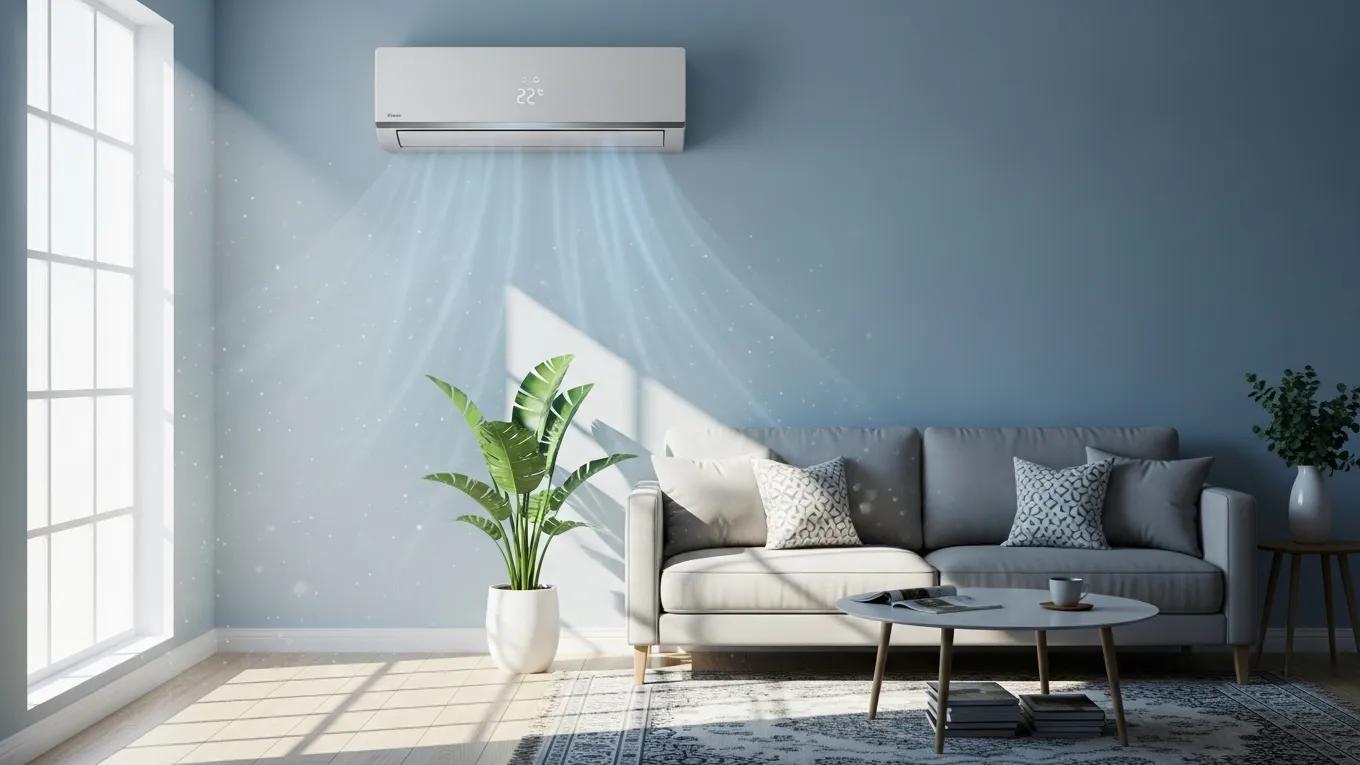
Modern air conditioning unit in a bright living room, illustrating cooling solutions

AC Not Cooling? Expert Troubleshooting & Repair

Boost HVAC Efficiency & Energy Savings with SEER Ratings

When your air conditioner isn’t cooling properly, it can cause discomfort and frustration, especially during hot weather. At Lane Heating & Air, LLC, we understand how important a reliable cooling system is for your home or business in Lake City, FL. Knowing the common causes of AC failure helps you respond quickly and effectively. We provide expert troubleshooting and repair services to restore your system’s efficiency and comfort.

Reduced cooling performance affects more than just temperature; it can lead to higher energy bills, increased wear on components, and diminished indoor comfort. Early detection and a structured approach to repairs minimize downtime and save you money. We guide you on what to check safely and when to call our professional technicians for comprehensive diagnostics and repairs.

Many HVAC systems develop multiple faults that increase energy consumption and reduce comfort. Effective fault detection is essential to maintain system performance and indoor air quality.

Common Issues
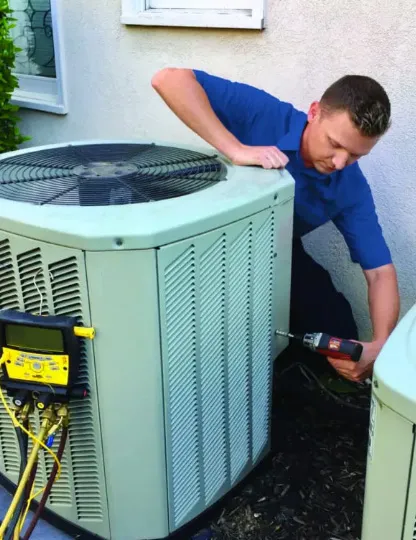
Technician inspecting a clogged air filter in an air conditioning unit, highlighting common issues

Several common problems can reduce your AC’s cooling output. Identifying these early helps avoid costly repairs and prolonged discomfort. Here are frequent issues we encounter:

  • Clogged Air Filters: Dirty or clogged filters restrict airflow, forcing your system to work harder and reducing cooling efficiency. Regular filter replacement is crucial to maintain optimal performance and energy savings.
  • Malfunctioning Thermostat Sensors: Faulty thermostat sensors can cause inaccurate temperature readings, leading to improper cooling cycles. We recommend professional calibration or replacement to ensure your system responds correctly.
  • Improper Refrigerant Levels: Low refrigerant levels significantly impair cooling capacity. Leaks or insufficient charging require prompt attention to restore system function and prevent further damage.

Other common causes include frozen evaporator coils, blocked condenser fins, failing capacitors or relays, and short cycling due to oversized systems or control faults. These issues often manifest as reduced airflow, extended run times with little cooling, or frequent on/off cycles. Because some problems involve electrical components or refrigerants, we advise professional service to ensure safety and proper repair.

Diagnostic Techniques

At Lane Heating & Air, LLC, we use a systematic approach to diagnose AC problems accurately. Our diagnostic process includes:

  • Comprehensive Inspection: We thoroughly examine your entire system, including the compressor, evaporator coils, and ductwork, to uncover hidden issues that affect performance.
  • Testing Thermostats and Controls: We verify thermostat calibration and control functionality to ensure accurate temperature regulation and efficient operation.
  • Inspecting Ductwork: Leaks or blockages in ductwork reduce cooling efficiency. Our technicians check and repair duct issues to restore proper airflow.

Combining visual inspections with measurements such as airflow verification, temperature differentials, and component operation allows us to pinpoint faults precisely. We also measure refrigerant pressures and electrical currents when necessary to identify failing parts. Accurate diagnosis helps avoid unnecessary replacements and targets repairs that restore your system’s performance.

Efficient HVAC Solutions
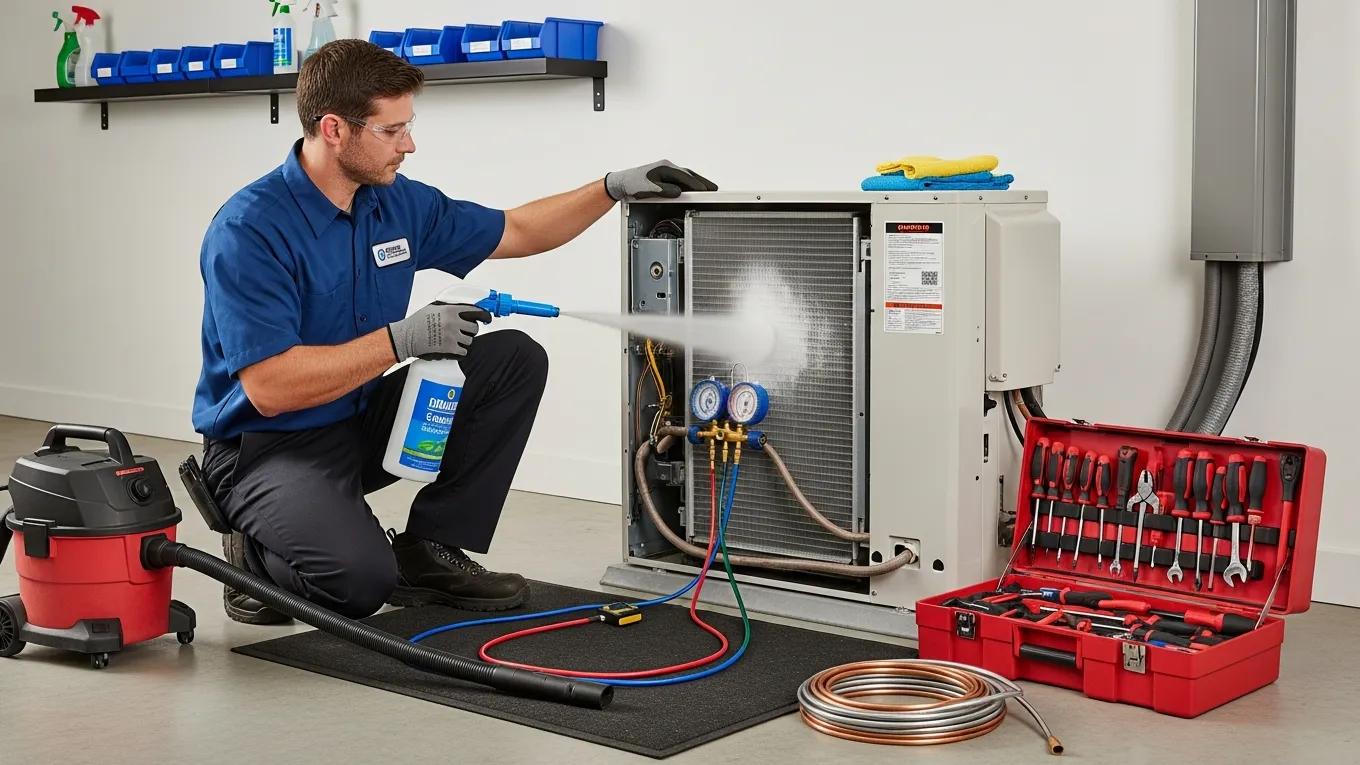
Technician performing maintenance on an air conditioning system, showcasing efficient HVAC solutions

To enhance your HVAC system’s efficiency, we recommend the following practical solutions:

  • Regular Maintenance: Scheduling routine maintenance with Lane Heating & Air, LLC helps identify potential issues early and keeps your system running smoothly. Preventive care reduces the risk of unexpected breakdowns and costly repairs.
  • Cleaning Essential Parts: Keeping components such as coils and filters clean ensures optimal airflow and cooling efficiency. Our technicians perform thorough cleaning during service visits to maintain peak performance.
  • Smart Thermostats: Upgrading to a smart thermostat allows better temperature control and scheduling, improving energy efficiency and comfort. We can help you select and install the right model for your needs.

Additional improvements include sealing and insulating ductwork, repairing damaged insulation, and ensuring adequate airflow around outdoor condenser units. Simple building upgrades like shading windows, enhancing attic insulation, and sealing gaps reduce cooling load and help your AC work more effectively.

Best Practices for Homeowners

As your trusted HVAC partner in Lake City, FL, we advise homeowners to adopt these best practices to maintain their AC systems:

  • Replace Air Filters Regularly: Changing air filters every 1-3 months prevents airflow restrictions and maintains system efficiency. This simple step can significantly improve cooling performance and indoor air quality.
  • Clear Vents: Keep air vents unobstructed to ensure proper airflow throughout your home. Blocked vents reduce cooling effectiveness and strain your system.
  • Schedule Annual Inspections: Professional inspections by Lane Heating & Air, LLC catch issues early and ensure your system operates efficiently year-round. Regular check-ups extend your system’s lifespan and reduce energy costs.

Seasonal checks add extra protection. In spring, clear debris from outdoor units, inspect condensate drains, and verify thermostat settings. In late summer or fall, review system run times and note any cooling reductions. Keeping a simple log of service dates and observations helps our technicians diagnose recurring issues quickly and recommend the best solutions.

What Are the Common Causes of an Air Conditioner Not Cooling?

Understanding common failure causes helps you take timely action. Typical reasons your AC may not cool properly include:

  • Incorrect Thermostat Settings: If the thermostat is set improperly, it may not activate the cooling cycle. We recommend checking settings and ensuring the thermostat is in cooling mode.
  • Dirty or Clogged Air Filters: As noted, dirty filters restrict airflow and reduce cooling efficiency. Regular replacement is essential to avoid this issue.
  • Low Refrigerant Levels: Insufficient refrigerant prevents effective heat absorption, leading to inadequate cooling. Prompt leak detection and recharge restore performance.

Recognizing these issues early allows you to contact Lane Heating & Air, LLC for expert service and restore your AC’s cooling capacity efficiently.

How Do Refrigerant Leaks Affect AC Cooling Performance?

Refrigerant leaks reduce your system’s ability to absorb heat, lowering cooling capacity. When refrigerant is low, your AC runs longer and harder, increasing energy consumption and reducing comfort. Prompt leak repair and refrigerant recharge are essential to restore proper function.

Signs of refrigerant leaks include reduced cooling, longer run times, ice on evaporator coils, and hissing or bubbling noises near piping. If you notice these symptoms, avoid running the system at full capacity to prevent further damage. Instead, turn off the unit and contact Lane Heating & Air, LLC for professional leak detection and repair.

What Role Does the Compressor Play in Cooling Failures?

The compressor circulates refrigerant through your AC system. Electrical faults or mechanical damage can prevent it from compressing refrigerant properly, causing poor cooling. Regular maintenance and timely repairs keep the compressor reliable and efficient.

Compressor issues often present as noisy outdoor units, frequent breaker trips, or failure to start. Our technicians check electrical supply, start components like capacitors and contactors, and inspect for mechanical wear. Addressing compressor problems early prevents costly downstream failures and maintains system reliability.

How Can You Troubleshoot Your Air Conditioner Effectively?

Before calling for professional help, you can perform some practical checks to identify minor issues:

  • Check Thermostat Settings: Confirm the thermostat is set to cooling mode and the desired temperature. Incorrect settings are a common cause of no cooling.
  • Inspect the Circuit Breaker: A tripped breaker can stop your AC from operating. Resetting it may resolve the problem, but if it trips repeatedly, professional inspection is needed.
  • Examine Air Filters: Check for dirty or clogged filters and replace them if necessary. Clean filters improve airflow and cooling efficiency.

Additional simple checks include ensuring the outdoor condenser unit is free of debris, verifying the condenser fan spins when the system runs, and confirming supply vents deliver cool air after 10–15 minutes of operation. If the outdoor unit does not run or you notice unusual odors or visible damage, stop and contact Lane Heating & Air, LLC to avoid electrical hazards or further damage.

What Are Step-by-Step Air Conditioner Troubleshooting Techniques?

For a more detailed approach, follow these steps carefully:

  • Safety First: Always turn off power to the AC unit before inspecting or attempting repairs to avoid injury.
  • Check for Unusual Noises: Listen for strange sounds that may indicate mechanical problems requiring professional attention.
  • Look for Water Leaks: Inspect around the AC unit for water leaks, which could signal condensate drain issues or other faults.

If you identify a safe, straightforward fix such as replacing a clogged filter or clearing debris, you can often resolve the issue immediately. For anything involving refrigerant, electrical components, or internal disassembly, contact Lane Heating & Air, LLC for expert service. Keeping a log of symptoms and actions taken helps us diagnose and repair your system more efficiently.

How to Identify Thermostat Malfunctions and Airflow Issues?

Maintaining efficient cooling requires detecting thermostat and airflow problems early. Key checks include:

  • Check Thermostat Settings: Ensure the thermostat is set correctly and functioning properly. Faulty sensors or dead batteries can cause inaccurate temperature control.
  • Inspect Air Filters: Clogged filters restrict airflow and reduce cooling. Regular replacement is essential.
  • Listen for Odd Sounds: Unusual noises from your AC may indicate mechanical issues needing professional evaluation.

Thermostat problems can stem from poor placement near heat sources or direct sunlight, wiring issues, or battery failure. Replacing batteries and relocating the thermostat can improve accuracy. For persistent issues, our technicians test control circuitry and sensor calibration to ensure your system responds correctly.

Why Choose Professional AC Repair Services in Lake City, FL?

When cooling problems persist, professional repair is the best choice. At Lane Heating & Air, LLC, we offer several advantages:

  • Expertise: Our experienced technicians diagnose and repair complex AC issues efficiently, restoring your system’s performance.
  • Cost-Effectiveness: While DIY fixes may seem cheaper, professional repairs prevent further damage and costly future expenses.
  • Warranty Options: We provide warranties on our repairs, giving you peace of mind and confidence in our work.

Choosing Lane Heating & Air, LLC means your system receives knowledgeable care and reliable repairs. As a local, licensed company in Lake City, FL, we ensure code-compliant service and accessible follow-up support. We provide clear estimates, document all work, and explain your options so you can make informed decisions aligned with your budget and comfort needs.

How Does Expert Troubleshooting Minimize Downtime and Discomfort?

Our expert troubleshooting process reduces downtime and discomfort by quickly identifying issues and applying targeted repairs. We prioritize restoring safe operation and cooling so your indoor environment remains comfortable.

With experience and advanced diagnostic tools, our technicians focus on repairs that deliver immediate relief and advise on further improvements to enhance efficiency. When necessary, we implement temporary solutions to maintain comfort until full repairs are completed, ensuring long-term reliability.

What Benefits Do Local HVAC Technicians Offer for Reliable Repairs?

Local technicians from Lane Heating & Air, LLC provide practical benefits for dependable repairs:

  • Local Knowledge: We understand the specific climate and environmental factors affecting HVAC systems in Lake City, FL, allowing us to tailor solutions effectively.
  • Quick Response Times: Being local enables us to respond promptly to your cooling issues, minimizing discomfort and downtime.

Our familiarity with common equipment models and installation challenges in the area leads to faster diagnosis, accurate parts availability, and efficient repairs, restoring your comfort with minimal disruption.

How Does Energy Efficiency Improve with Expert AC Repair and Maintenance?

Professional repair and maintenance from Lane Heating & Air, LLC enhance energy efficiency by restoring component performance and reducing energy waste. Timely repairs and routine tasks like coil cleaning and filter replacement lower your energy bills and environmental impact.

Regular tune-ups keep system controls and safety devices functioning correctly, reduce compressor run-time, and maintain proper airflow. These small efficiency gains accumulate over time, reducing wear on components and extending your system’s useful life while saving you money.

What Are the Energy-Saving HVAC Maintenance Tips to Lower Bills?

To reduce your energy bills, we recommend these maintenance tips:

  • Regular Professional Maintenance: Schedule annual inspections with Lane Heating & Air, LLC to keep your system in optimal condition and prevent costly breakdowns.
  • Change Air Filters: Regularly replacing air filters improves airflow and system efficiency, helping your AC cool more effectively.
  • Invest in a Smart Thermostat: Smart thermostats optimize energy use by adjusting temperatures based on your schedule, enhancing comfort and savings.

Additional practices include maintaining reasonable thermostat setpoints, using ceiling fans to supplement cooling, and ensuring attic and crawlspace insulation are in good condition. These steps reduce heat gain and allow your HVAC system to operate efficiently without unnecessary cycling.

How Do Repairs Enhance System Efficiency and Reduce Breakdowns?

Timely repairs prevent minor faults from escalating into major failures. By addressing worn belts, dirty coils, and failing electrical components early, we improve system efficiency and reduce the risk of breakdowns.

A well-maintained and calibrated system runs closer to its original design performance, consumes less energy for the same cooling output, and requires fewer emergency service calls, saving you time and money.

When Is It Time to Replace Your Air Conditioner Instead of Repairing?

Deciding whether to repair or replace your air conditioner impacts comfort and long-term costs. Consider replacement if:

  • Frequent Breakdowns: If your AC requires repairs often, replacement may be more cost-effective and reliable.
  • Age of the System: Air conditioners typically last 10-15 years. If your system is nearing this age, replacement can improve efficiency and comfort.
  • Rising Energy Bills: Significant increases in energy costs may indicate your system is no longer operating efficiently and could benefit from replacement.

Other indicators include repeated compressor failures, use of outdated refrigerants, and repair costs approaching the value of a new system. When replacement is the best option, selecting a properly sized, high-efficiency unit with matching ductwork ensures reliable performance and lower operating costs over time.

What Are the Signs Indicating AC Replacement Is Necessary?

Signs that your air conditioning system may need replacement include:

  • Rising Energy Bills: Increased energy consumption suggests your system is working harder than necessary.
  • Excessive Noise: Unusual or loud sounds from the unit may indicate mechanical issues beyond repair.
  • Inconsistent Cooling: Uneven temperatures or failure to cool certain areas can signal system failure.

Noticing these signs early allows you to plan for replacement and maintain comfort and efficiency. We recommend a professional assessment to compare repair costs, expected remaining life, and efficiency gains from a new system, helping you make an informed decision.

How Do Repair Costs Compare to Replacement Expenses?

When evaluating repair versus replacement, consider that frequent repairs add up over time, while replacement requires a larger initial investment but can lower long-term costs through improved efficiency and fewer repairs. Reviewing your repair history and system age helps guide this decision.

We provide itemized repair estimates and assessments of future reliability. Financing options and energy savings from newer equipment, along with improved comfort and indoor air quality, are important factors to consider when choosing between repair and replacement.

How to Schedule Expert HVAC Services for AC Repair in Lake City, FL?

Scheduling professional AC repair with Lane Heating & Air, LLC is simple. Follow these steps:

  • Contact Our Service Team: Reach out to Lane Heating & Air, LLC, your trusted HVAC provider in Lake City, FL, to discuss your cooling issues.
  • Provide Detailed Information: Share symptoms, duration, recent maintenance, and any unusual sounds or visible damage to help us prepare for your service visit.

Providing clear information ensures we send the right technician and parts, enabling faster diagnosis and repair on the first visit.

What Are the Steps to Book Timely Cooling System Repairs?

To book prompt cooling system repairs, follow these steps:

  • Request Service: Contact Lane Heating & Air, LLC to schedule your repair appointment.
  • Confirm Availability: Inquire about technician availability to ensure timely service and minimize discomfort.

Proactive scheduling helps reduce downtime and maintain a comfortable indoor environment. Ask about estimated arrival times, diagnostic fees, and whether a preliminary phone consultation is available to streamline the process.

How Does Lane Heating & Air, LLC Ensure Customer Satisfaction and Trust?

At Lane Heating & Air, LLC, customer satisfaction is our top priority. We deliver consistent, quality service tailored to your needs. Our expert troubleshooting and repair keep your air conditioning system operating at its best, ensuring your comfort and peace of mind.

We emphasize clear communication, thorough documentation, and follow-up recommendations so you understand your system’s condition and the reasons behind our repair or replacement suggestions. This transparency builds trust and ensures efficient, long-lasting results.

Contact Lane Heating & Air, LLC Today for Reliable AC Repair in Lake City, FL

Don’t let cooling problems disrupt your comfort. Reach out to Lane Heating & Air, LLC to schedule expert HVAC service and keep your air conditioning system running smoothly. Our experienced team is ready to provide fast, effective repairs and maintenance tailored to your needs.

Technician inspecting a clogged air filter in an air conditioning unit, highlighting common issues

Spring AC Tune-Up: Prepare Your Air Conditioner for Summer

Spring AC Tune-Up: Comprehensive Guide to Preparing Your Air Conditioner for Summer Efficiency and Reliability

As the warmer months approach here in Daytona Beach, FL, ensuring your air conditioning system is in optimal condition becomes essential for your comfort and energy efficiency. At Lane Heating and Air, we believe a spring AC tune-up is a proactive measure that not only enhances the performance of your air conditioner but also extends its lifespan. This comprehensive guide will walk you through the importance of seasonal HVAC care, detailing the key components of an AC tune-up, maintenance tips, troubleshooting advice, and best practices for optimal performance. By understanding the significance of a spring AC tune-up, you can prevent costly repairs and ensure your system operates efficiently throughout the summer.

In this article, we will explore the essential aspects of a spring AC tune-up, including the components involved, maintenance strategies, and the benefits of regular inspections. Additionally, we will discuss how preventive maintenance can extend the lifespan of your HVAC system and the energy efficiency advantages that come with it. Finally, we will provide insights on how to schedule your spring AC tune-up with our experts at Lane Heating and Air.

Spring AC Tune-Up Overview

A spring AC tune-up is a critical process that prepares your air conditioning system for the demands of summer. This proactive maintenance involves a thorough inspection and servicing of various components to ensure optimal performance. By addressing potential issues before the heat sets in, you can avoid unexpected breakdowns and costly repairs. The benefits of a spring AC tune-up include improved energy efficiency, enhanced indoor air quality, and prolonged system lifespan.

Regular tune-ups not only help maintain the efficiency of your HVAC system but also contribute to a more comfortable living environment. With the right maintenance, your air conditioner can operate smoothly, providing consistent cooling while minimizing energy consumption. Understanding the importance of this seasonal care is the first step toward ensuring your air conditioning system remains reliable throughout the summer months.

Key Components of an Air Conditioner Tune-Up

During a spring AC tune-up, several key components are inspected and serviced to ensure the system operates efficiently. These components include:

ComponentImportanceProcedure
Outdoor Unit InspectionEnsures proper airflow and cooling efficiency. This step is vital to prevent blockages and maintain system performance.Clean debris, check for damage, and test operation thoroughly to confirm the unit is functioning correctly.
Air Filter CleaningImproves indoor air quality and system efficiency. Clean filters allow for better airflow and reduce strain on the system.Replace or clean filters regularly to enhance airflow and maintain air quality within your home.
Refrigerant Level CheckMaintains optimal cooling performance by ensuring the refrigerant is at the correct level for efficient operation.Check and refill refrigerant as necessary to avoid cooling issues and potential system damage.

By focusing on these essential components, you can significantly improve your air conditioning system’s performance and reliability.

Maintenance Tips

To keep your air conditioning system running smoothly, consider the following maintenance tips from our team at Lane Heating and Air:

  • Schedule Regular Tune-Ups: We recommend at least one professional tune-up each year, ideally in the spring, to prepare your system for the summer heat. Regular inspections help catch issues early and keep your AC running efficiently.
  • Change Air Filters: Replace or clean air filters every 1-3 months to ensure proper airflow and maintain indoor air quality. Clean filters reduce energy consumption and prevent system strain.
  • Keep the Outdoor Unit Clear: Regularly remove debris, leaves, and dirt from around the outdoor unit to maintain airflow and efficiency. A clear area around the unit helps prevent overheating and mechanical problems.

Implementing these maintenance practices can help prevent common issues and ensure your air conditioning system operates at peak performance. If you need professional assistance, our experts at Lane Heating and Air are ready to help with comprehensive HVAC services, including spring AC tune-ups. You can reach out to us anytime to discuss your needs and schedule your appointment.

Troubleshooting Advice

Homeowner troubleshooting air conditioning unit in the backyard

Even with regular maintenance, air conditioning systems can encounter issues. Here are some common problems and troubleshooting tips from Lane Heating and Air:

  • Inadequate Cooling: If your AC is not cooling effectively, first check the thermostat settings and ensure the air filters are clean. Sometimes, simple adjustments or filter replacements can restore proper cooling.
  • Unusual Noises: Strange sounds may indicate mechanical issues. If you hear grinding or rattling, it’s best to call our professional technicians to diagnose and fix the problem safely.
  • Water Leaks: If you notice water pooling around your unit, it could be a sign of a clogged drain line or refrigerant leak. Prompt attention from our team can prevent further damage and restore proper function.

If you encounter persistent issues, it’s advisable to contact Lane Heating and Air for professional assistance to diagnose and resolve the problem effectively. We are committed to ensuring your system runs smoothly all season long.

Best Practices for Optimal Performance

To ensure your air conditioning system runs efficiently, consider these best practices recommended by Lane Heating and Air:

  • Invest in a Smart Thermostat: Smart thermostats can optimize energy usage by adjusting temperatures based on your schedule. This technology helps reduce energy waste and keeps your home comfortable.
  • Seal Ducts: Ensure that your ductwork is properly sealed to prevent air leaks, which can lead to energy loss. Proper sealing improves system efficiency and reduces your energy bills.
  • Upgrade to Energy-Efficient Models: If your system is outdated, consider upgrading to a more energy-efficient model. Modern units use less energy and provide better cooling performance, saving you money in the long run.

Implementing these practices can lead to significant energy savings and improved comfort in your home. Our team at Lane Heating and Air can help you choose the best options for your needs.

Why Is a Spring AC Tune-Up Essential for Your HVAC System?

A spring AC tune-up is essential for several reasons. First, it enhances energy efficiency, which can lead to noticeable reductions in your utility bills. Second, regular maintenance helps prolong the lifespan of your HVAC system, reducing the need for costly replacements. Finally, a well-maintained system improves indoor air quality, ensuring a healthier living environment for you and your family.

By investing in a spring AC tune-up with Lane Heating and Air, you can enjoy peace of mind knowing your air conditioning system is ready to handle the summer heat efficiently and reliably.

How Preventive AC Maintenance Extends System Lifespan

Preventive maintenance plays a crucial role in extending the lifespan of your air conditioning system. Regular inspections and servicing help identify potential issues before they escalate into major problems. This proactive approach reduces wear and tear on components, leading to fewer breakdowns and repairs.

Additionally, maintaining optimal refrigerant levels and ensuring proper airflow can significantly enhance the efficiency and longevity of your system. By prioritizing preventive maintenance with Lane Heating and Air, you can enjoy a reliable and efficient air conditioning system for many years to come.

What Energy Efficiency Benefits Result from Regular Spring Maintenance?

Regular spring maintenance offers several energy efficiency benefits, including:

  • Lower Energy Bills: A well-maintained system operates more efficiently, leading to reduced energy consumption and noticeable savings on your utility costs. This efficiency helps you get the most out of your cooling system without overspending.
  • Prolonged System Lifespan: Preventive maintenance helps extend the life of your HVAC system, delaying the need for costly replacements. Keeping your system in top shape ensures it serves you well for many cooling seasons.
  • Sustainable Operation: An efficient system reduces environmental impact by consuming less energy and lowering greenhouse gas emissions. Choosing regular maintenance supports a greener, more sustainable home environment.

These benefits highlight the importance of regular maintenance in achieving both cost savings and environmental sustainability. At Lane Heating and Air, we are dedicated to helping you maximize these advantages.

What Does a Professional Air Conditioner Inspection Include?

A professional air conditioner inspection by Lane Heating and Air typically includes the following components:

  • Outdoor Unit Inspection: We check for debris, damage, and proper operation to ensure your unit is ready for the season. This step helps prevent unexpected breakdowns and maintains system efficiency.
  • Air Filter Replacement: Ensuring clean filters for optimal airflow is crucial. We replace or clean filters to maintain air quality and system performance.
  • Refrigerant Level Check: Verifying and adjusting refrigerant levels as needed keeps your system cooling effectively. Proper refrigerant levels prevent strain and potential damage to your AC.

This comprehensive inspection ensures that your air conditioning system is ready for the summer months and operating at peak efficiency.

Key Components Checked During AC System Inspection

During an AC system inspection, several key components are evaluated to ensure optimal performance:

  • Electrical Connections: We inspect and tighten electrical connections to prevent malfunctions and ensure safe operation. Proper electrical maintenance reduces the risk of system failures.
  • Thermostat Testing: Ensuring the thermostat is functioning correctly is vital for accurate temperature control. We test and calibrate your thermostat to maintain comfort and efficiency.
  • Coil Cleaning: Cleaning the evaporator and condenser coils enhances heat exchange efficiency. Our thorough cleaning removes dirt and debris that can reduce cooling performance.

These checks are vital for maintaining the reliability and efficiency of your air conditioning system throughout the cooling season.

How Diagnostics Identify Potential AC Problems Early

Diagnostics play a crucial role in identifying potential AC problems early. Our technicians use visual checks and performance tests to assess the system’s condition. Early detection of issues can prevent costly repairs and ensure that your air conditioning system operates efficiently.

By investing in regular diagnostics with Lane Heating and Air, you can address minor problems before they escalate, leading to a more reliable and efficient HVAC system that keeps your home comfortable.

How Is AC System Cleaning Performed During a Spring Tune-Up?

AC system cleaning is an essential part of a spring tune-up. This process typically involves:

  • Inspection of Outdoor Unit: We check for debris and ensure proper airflow around the unit. Keeping the outdoor area clean helps maintain system efficiency and prevents damage.
  • Cleaning Air Filters: Replacing or cleaning filters enhances indoor air quality and system performance. Clean filters reduce energy consumption and improve airflow.
  • Coil Cleaning: Removing dirt and debris from the evaporator and condenser coils improves efficiency. Our cleaning process helps your system cool more effectively and reduces wear.

Regular cleaning helps maintain optimal performance and prolongs the lifespan of your air conditioning system.

Steps for Effective Coil and Filter Cleaning

Effective coil and filter cleaning involves several key steps:

  • Turn Off Power: Always ensure the system is powered down before cleaning to ensure safety. This precaution protects both you and the equipment.
  • Remove Filters: Take out the air filters for cleaning or replacement. Proper handling ensures filters are cleaned thoroughly or replaced with the correct type.
  • Clean Coils: Use a soft brush or vacuum to remove dirt from the coils, ensuring they are free from obstructions. Clean coils improve heat exchange and system efficiency.

Following these steps can significantly improve your air conditioning system’s efficiency and performance.

Why Clean AC Components Improve Cooling Performance

Clean AC components are essential for optimal cooling performance. When filters and coils are dirty, airflow is restricted, leading to reduced efficiency and increased energy consumption. By maintaining clean components, you can ensure your air conditioning system operates effectively, providing consistent cooling while minimizing energy costs.

Regular cleaning not only enhances performance but also contributes to a healthier indoor environment by improving air quality. At Lane Heating and Air, we emphasize the importance of cleanliness in maintaining your system’s reliability.

What Are the Typical Costs Associated with HVAC Spring Maintenance?

The costs associated with HVAC spring maintenance can vary based on several factors, including:

  • Service Package: Different service packages may offer varying levels of inspection and maintenance. Choosing the right package depends on your system’s needs and your budget.
  • System Size: Larger systems may incur higher maintenance costs due to the complexity of the service. We tailor our services to fit the size and type of your HVAC system.
  • Location: Regional pricing differences can also affect the overall cost of maintenance services. We provide transparent pricing and work with you to find the best solution.

Investing in regular maintenance with Lane Heating and Air can lead to significant savings in energy costs and prevent costly repairs in the long run. We are committed to providing value and quality service to our clients in Daytona Beach, FL.

How Often Should You Schedule Preventive AC Maintenance?

Preventive AC maintenance should be scheduled at least once a year, ideally in the spring, to prepare for the summer months. Regular maintenance helps ensure that your system operates efficiently and reliably throughout the cooling season.

Recommended Service Frequency for Residential and Commercial Systems

The recommended service frequency for residential and commercial systems may differ. Generally, residential systems benefit from annual maintenance, while commercial systems may require biannual inspections due to higher usage demands. Adhering to these recommendations helps maintain optimal performance and extend the lifespan of your HVAC system. At Lane Heating and Air, we customize our maintenance plans to suit your specific needs.

Signs Indicating Your AC Needs Immediate Attention

Recognizing the signs that your air conditioning system needs immediate attention is crucial. Common indicators include:

  • Unusual Noises: Grinding or rattling sounds may indicate mechanical issues. If you hear these noises, it’s important to have your system inspected promptly to avoid further damage.
  • Ineffective Cooling: If your AC is not cooling effectively, it may require servicing. Early intervention can restore comfort and prevent more serious problems.
  • Water Leaks: Pooling water around the unit can signal a clogged drain line or refrigerant leak. Addressing leaks quickly helps protect your home and your system.

If you notice any of these signs, it’s essential to contact our professional team at Lane Heating and Air for assistance. We are here to help you maintain a comfortable and efficient home environment.

How to Schedule Your Spring AC Tune-Up with Lane Heating and Air Experts

Scheduling your spring AC tune-up with Lane Heating and Air is a straightforward process. Simply reach out to us via our website or contact form to discuss your needs and set up an appointment. Our team of HVAC experts will guide you through the scheduling process and ensure your air conditioning system is ready for the summer.

We encourage you to visit our website to learn more about our services and to request a consultation. Our friendly staff is always available to answer your questions and provide personalized recommendations.

What Are Common AC Problems Detected During Spring Tune-Ups?

During spring tune-ups, several common AC problems may be detected, including:

  • Clogged Air Filters: Dirty filters can restrict airflow and reduce efficiency. We identify and replace or clean these filters to restore proper function.
  • Malfunctioning Thermostat Sensors: Issues with thermostat sensors can lead to inaccurate temperature readings. Our technicians test and calibrate sensors to ensure accurate control.
  • Improper Refrigerant Levels: Low refrigerant levels can hinder cooling performance. We check for leaks and refill refrigerant as needed to maintain optimal operation.

Identifying these issues early can prevent more significant problems and ensure your system operates efficiently. Trust Lane Heating and Air to keep your system in top condition.

Issues with Refrigerant Levels and Thermostat Function

Refrigerant levels and thermostat function are critical for optimal AC performance. Symptoms of refrigerant issues may include inadequate cooling and increased energy consumption. Troubleshooting steps include checking for leaks and ensuring proper refrigerant levels.

For thermostat problems, ensure that the device is calibrated correctly and functioning as intended. If issues persist, it’s advisable to consult our professional team at Lane Heating and Air for assistance. We have the expertise to diagnose and resolve these problems efficiently.

Filter and Coil Problems Affecting System Efficiency

Filter and coil problems can significantly impact system efficiency. Clogged filters restrict airflow, leading to increased energy consumption and reduced cooling capacity. Similarly, dirty coils can hinder heat exchange, further decreasing efficiency.

Regular maintenance and cleaning of filters and coils are essential for maintaining optimal performance and energy efficiency. At Lane Heating and Air, we prioritize these tasks during every tune-up to keep your system running smoothly.

How Do Energy Efficiency Tips Complement Your Spring AC Tune-Up?

Energy efficiency tips can enhance the benefits of your spring AC tune-up. Consider the following strategies:

  • Regular Filter Maintenance: Keeping filters clean ensures optimal airflow and efficiency. This simple habit reduces energy consumption and prolongs system life.
  • Duct Inspection and Sealing: Inspecting and sealing ducts can prevent air leaks and improve system performance. Properly sealed ducts help maintain consistent temperatures and reduce energy waste.
  • Thermostat Management: Adjusting thermostat settings based on occupancy can lead to significant energy savings. Smart thermostat use complements regular maintenance for maximum efficiency.

By integrating these energy efficiency tips with regular maintenance, you can maximize the performance and efficiency of your air conditioning system. Our team at Lane Heating and Air is here to help you implement these strategies effectively.

Integrating Smart Thermostats and Eco-Friendly Refrigerants

Integrating smart thermostats and eco-friendly refrigerants can further enhance the efficiency of your HVAC system. Smart thermostats allow for precise temperature control and energy management, while eco-friendly refrigerants reduce environmental impact.

These advancements not only improve system performance but also contribute to a more sustainable approach to cooling. Lane Heating and Air can assist you in upgrading your system with these modern technologies to achieve better comfort and efficiency.

Simple Maintenance Habits to Reduce Energy Consumption

Adopting simple maintenance habits can significantly reduce energy consumption. Consider the following practices:

  • Regular Filter Changes: Change or clean filters every 1-3 months to maintain airflow. This habit prevents system strain and keeps your energy bills lower.
  • Outdoor Unit Maintenance: Keep the outdoor unit clear of debris to ensure proper airflow. A clean unit operates more efficiently and lasts longer.
  • Seasonal Inspections: Schedule annual inspections to identify and address potential issues early. Regular check-ups help maintain system reliability and efficiency.

By implementing these habits, you can enhance the efficiency of your air conditioning system and reduce energy costs. Lane Heating and Air is committed to supporting you with expert advice and professional services.

Get Ready for Summer with Lane Heating and Air

Don’t wait until the heat hits to ensure your air conditioning system is in top shape. Contact Lane Heating and Air today to schedule your spring AC tune-up and experience reliable, efficient cooling all summer long. Our expert team is here to provide personalized service and keep your home comfortable. Schedule Your Tune-Up Now.

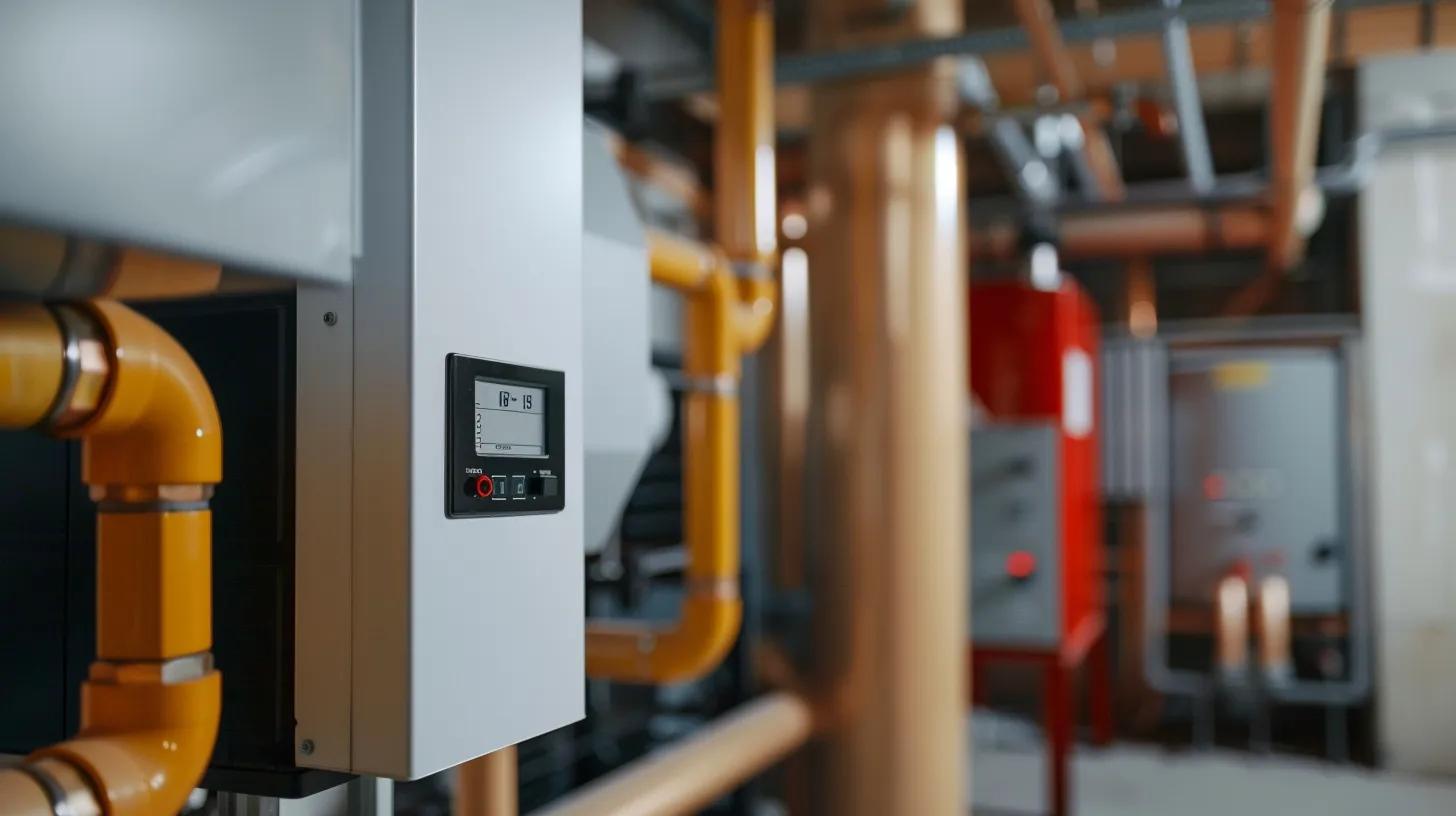
HVAC control panel with digital display and yellow piping in a mechanical room, illustrating SEER ratings and energy efficiency concepts.

Understanding SEER Ratings: Your Guide to HVAC Efficiency

Understanding SEER Ratings: Your Guide to HVAC Efficiency and Energy Savings

Understanding SEER (Seasonal Energy Efficiency Ratio) ratings is crucial for homeowners and property managers looking to optimize HVAC efficiency and reduce energy costs. SEER ratings provide a standardized measure of an air conditioner’s cooling output relative to its energy consumption over a typical cooling season. This article will delve into the significance of SEER ratings, how they impact HVAC efficiency, and the benefits of selecting high SEER-rated systems. Many property owners face challenges in managing energy consumption and costs, but understanding SEER ratings can lead to informed decisions that enhance energy efficiency. We will explore the calculation of SEER ratings, the best ratings for energy savings, the relationship with Energy Star certification, and maintenance tips to preserve efficiency. By gaining a comprehensive understanding of SEER ratings, you can make smarter choices that not only save money but also contribute to environmental sustainability. This knowledge empowers you to select HVAC systems that align with your comfort needs and financial goals, ensuring a more sustainable and cost-effective home environment.

What is SEER Rating and How Does It Impact HVAC Efficiency?

The SEER rating is a measure of an air conditioner’s efficiency, calculated by dividing the total cooling output (in BTUs) during a typical cooling season by the total energy consumed (in watt-hours) during that same period. A higher SEER rating indicates a more efficient unit, which translates to lower energy bills and reduced environmental impact. Understanding SEER ratings is essential for making informed choices about HVAC systems, as they directly affect energy consumption and operational costs. Additionally, SEER ratings help consumers compare different models and brands, making it easier to select systems that align with their energy-saving goals and budget constraints. This metric also encourages manufacturers to innovate and improve their products, leading to advancements in HVAC technology that benefit consumers and the environment alike.

While SEER serves as the official standard for measuring AC efficiency in the U.S., its methodology and real-world applicability have been subjects of ongoing discussion. Experts continue to evaluate how well SEER ratings reflect actual performance in diverse climates and installation scenarios, emphasizing the need for consumers to consider local conditions when choosing HVAC equipment. This ongoing evaluation ensures that SEER remains a relevant and useful tool, adapting to changes in technology and environmental factors to provide accurate efficiency assessments.

SEER Rating: US Standard for AC Energy Efficiency

Seasonal Energy Efficiency Ratio (SEER) is the only legal way to rate energy efficiency of central air conditioners in the U.S. SEER 13 replaced SEER 10 as the minimum in January, 2006. There is growing concern that the SEER’s test conditions do not reflect installations in real houses (based on field data). There is also concern that SEER does not reflect regional performance concerns, including peak performance in hot regions or moisture control in humid climates. Achieving the next large national savings increase with today’s metrics would require complex and expensive machinery. We support two changes. (1) Adjust test parameters, such as external static pressure levels and default fan power values, that materially affect the gap between laboratory ratings and field experience. Equipment optimized for real-world conditions will be more efficient in actual use. (2) Adopt rating methods that reflect regional needs. Manufacturers alread

Can SEER Be Saved?, 2006

How is SEER Rating Calculated for Air Conditioners?

The calculation of SEER ratings involves a standardized testing procedure that simulates a typical cooling season. The formula used is:

Factors that influence SEER ratings include the design of the air conditioning unit, the efficiency of its components, and the climate in which it operates. For instance, a unit that operates efficiently in a hot climate may have a different SEER rating than one designed for milder conditions. Moreover, installation quality and maintenance practices can also affect the actual efficiency experienced by users, highlighting the importance of professional installation and regular upkeep. Understanding these factors can help consumers make better decisions when selecting and maintaining their HVAC systems, ensuring optimal performance and energy savings throughout the unit’s lifespan.

What is the Difference Between SEER and EER Ratings?

While SEER measures efficiency over an entire cooling season, the Energy Efficiency Ratio (EER) assesses efficiency at a specific operating condition, typically at 95°F outdoor temperature and 80°F indoor temperature with 50% relative humidity. EER is calculated similarly to SEER but provides a snapshot of performance under peak conditions. Understanding both ratings is crucial for selecting the right HVAC system, as they offer insights into performance across different scenarios. For example, EER is particularly useful for evaluating how a system will perform during the hottest days of summer, while SEER gives a broader picture of seasonal efficiency. Considering both ratings together allows consumers to choose systems that perform well year-round and meet their specific climate and usage needs.

What is the Best SEER Rating for HVAC Systems to Maximize Energy Savings?

Choosing the right SEER rating can significantly impact energy savings. Generally, a SEER rating of 14 or higher is considered efficient, while units with ratings above 16 are classified as high-efficiency. These high SEER-rated HVAC units can lead to substantial energy savings, especially in regions with long cooling seasons. It is important to balance the upfront cost of higher SEER units with the potential long-term savings on energy bills. In some cases, investing in a higher SEER system can pay for itself within a few years through reduced utility expenses. Additionally, selecting a system with an appropriate SEER rating for your climate zone ensures you maximize efficiency without overspending on features that may not provide significant benefits in your area.

How Do High SEER Rated HVAC Units Reduce Energy Consumption?

High SEER-rated HVAC units reduce energy consumption by utilizing advanced technologies that enhance cooling efficiency. For example, variable-speed compressors adjust their output based on cooling demand, minimizing energy use during less demanding periods. This adaptability not only lowers energy bills but also extends the lifespan of the unit. Additionally, these systems often incorporate improved heat exchangers, better refrigerants, and enhanced airflow designs that contribute to their superior performance. Innovations such as smart thermostats and integrated sensors further optimize operation by adjusting settings in real-time based on occupancy and environmental conditions, leading to even greater energy savings.

What Are the Benefits of Energy Efficient Air Conditioners with High SEER Ratings?

Investing in energy-efficient air conditioners with high SEER ratings offers several benefits:

  • Lower Energy Bills: High SEER ratings correlate with reduced energy consumption, leading to lower monthly utility costs. Over time, these savings can offset the initial investment in a more efficient system. This financial benefit is especially significant in areas with high electricity rates or extended cooling seasons.
  • Environmental Impact: More efficient units contribute to lower greenhouse gas emissions, promoting a healthier environment. This aligns with growing efforts to reduce carbon footprints and combat climate change. By choosing high SEER systems, consumers actively participate in sustainability initiatives and help reduce the demand on power grids.
  • Increased Comfort: High-efficiency systems often provide better humidity control and consistent temperatures, enhancing indoor comfort. They also tend to operate more quietly and with fewer temperature fluctuations. This improved comfort can lead to better indoor air quality and overall well-being for occupants.

These advantages make high SEER-rated HVAC systems a wise investment for both residential and commercial property owners. Furthermore, choosing such systems can increase property value and appeal to environmentally conscious buyers or tenants. The long-term benefits extend beyond cost savings, contributing to a more comfortable and sustainable living or working environment.

How Does Energy Star Certification Relate to SEER Ratings and HVAC Efficiency?

Energy Star certification signifies that a product meets strict energy efficiency guidelines set by the U.S. Environmental Protection Agency. HVAC systems with Energy Star certification typically have SEER ratings that exceed the federal minimum standards, ensuring they operate efficiently and effectively. This certification helps consumers identify products that will save energy and reduce costs. Additionally, Energy Star certified products undergo rigorous testing and verification, providing assurance of their performance and reliability. Choosing Energy Star certified HVAC systems also supports broader environmental goals by encouraging the adoption of technologies that reduce energy consumption on a national scale.

Why Choose Energy Star Certified HVAC Systems in Lake City, FL?

In Lake City, FL, choosing Energy Star certified HVAC systems can lead to significant benefits, including:

  • Local Incentives: Many utility companies offer rebates for purchasing Energy Star certified systems, making them more affordable. These incentives can substantially reduce the initial investment required. Staying informed about available programs can maximize your savings and make upgrading more accessible.
  • Enhanced Performance: These systems are designed to perform well in local climate conditions, ensuring optimal efficiency and comfort. This is particularly important in Florida’s hot and humid environment. Energy Star units often include features that address humidity control and air quality, which are critical for comfort in this region.
  • Long-Term Savings: The initial investment in an Energy Star certified unit often pays off through lower energy bills over time. The durability and advanced features of these systems also contribute to reduced maintenance costs. This combination of savings and reliability makes Energy Star systems a smart choice for homeowners and businesses alike.

What Local Incentives Support Energy Star HVAC Upgrades?

Local incentives for Energy Star HVAC upgrades may include:

  • Rebates: Utility companies often provide rebates for purchasing high-efficiency systems. These rebates can vary by provider and program year. Checking with your local utility provider can help you take advantage of current offers.
  • Tax Credits: Homeowners may qualify for federal tax credits for energy-efficient home improvements, though these credits can vary by year and program availability. Staying informed about current programs can maximize savings. These credits can significantly reduce the net cost of upgrading to an Energy Star certified system.
  • Financing Options: Some programs offer low-interest financing for energy-efficient upgrades, making it easier to invest in high SEER-rated systems. These options help spread out the cost and make upgrades more accessible. Exploring these financing opportunities can make the transition to a more efficient HVAC system more manageable.

These incentives can significantly reduce the upfront costs associated with upgrading to more efficient HVAC systems. Taking advantage of them can make a substantial difference in the overall affordability and return on investment. Additionally, combining incentives with energy savings can accelerate the payback period, making high-efficiency systems an even more attractive option.

How Can You Maintain Your HVAC System to Preserve SEER Efficiency?

Regular maintenance is essential for preserving the efficiency of HVAC systems and ensuring they operate at their rated SEER levels. Neglecting maintenance can lead to decreased performance and increased energy consumption. Proper upkeep not only maintains efficiency but also helps prevent unexpected breakdowns and costly repairs, ensuring your system remains reliable throughout its lifespan. A well-maintained system also contributes to better indoor air quality and comfort, making regular maintenance a critical aspect of overall home care.

What HVAC Maintenance Tips Help Maintain Optimal SEER Ratings?

To maintain optimal SEER ratings, consider the following HVAC maintenance tips:

  • Regular Filter Changes: Replace or clean air filters every 1-3 months to ensure proper airflow and efficiency. Dirty filters restrict airflow, forcing the system to work harder and consume more energy. Keeping filters clean also helps reduce allergens and dust in your home.
  • Annual Professional Inspections: Schedule annual inspections with a qualified HVAC technician to identify and address potential issues. Technicians can check refrigerant levels, electrical connections, and system components to keep everything running smoothly. Early detection of problems can prevent costly repairs and maintain system efficiency.
  • Clean Coils and Fins: Keep the outdoor unit free of debris and clean the coils and fins to enhance heat exchange efficiency. Accumulated dirt and debris reduce the system’s ability to dissipate heat effectively. Regular cleaning helps maintain optimal airflow and cooling performance.

Implementing these maintenance practices can help ensure your HVAC system operates efficiently and maintains its SEER rating. Additionally, maintaining proper thermostat settings and sealing ductwork can further improve system performance and energy savings. These steps collectively contribute to a more reliable, cost-effective, and comfortable HVAC system.

How Does Regular Maintenance Affect HVAC Energy Savings?

Regular maintenance directly impacts energy savings by ensuring that the system operates at peak efficiency. Well-maintained units consume less energy, leading to lower utility bills. Additionally, routine maintenance can prevent costly repairs and extend the lifespan of the HVAC system, providing long-term savings for property owners. By investing in regular upkeep, homeowners and property managers can avoid premature system replacements and enjoy consistent comfort throughout the year. Moreover, a properly maintained system reduces environmental impact by minimizing unnecessary energy consumption, supporting broader sustainability goals.

Conclusion

Understanding SEER ratings empowers homeowners to make informed decisions that enhance HVAC efficiency and reduce energy costs. By selecting high SEER-rated systems, you can enjoy lower energy bills, improved comfort, and a positive environmental impact. Regular maintenance further ensures these systems operate at their best, maximizing your investment. Explore our resources to find the right HVAC solutions for your needs today.