

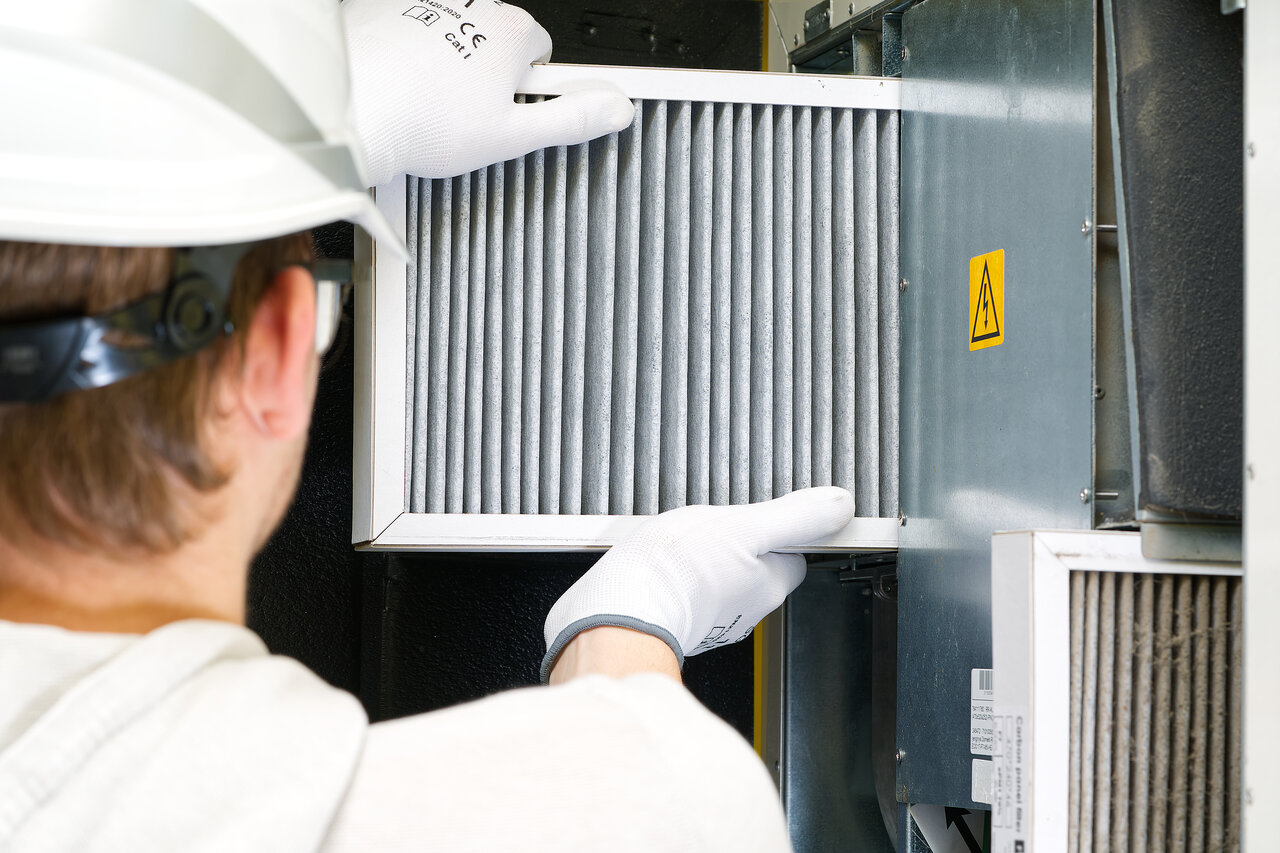
HVAC Filter

5 Common HVAC Filter Problems That Affect Your System’s Performance

When your HVAC system starts running harder, making odd sounds, or struggling to keep your house cool, the problem might be simpler than you think. HVAC filter problems are among the most common reasons a system doesn’t perform the way it should. What makes it more frustrating is that many homeowners don’t realize these issues are easy to prevent with the right routine. Filters play a bigger role than just keeping the air clean. They directly affect airflow, energy use, and the overall wear and tear on your equipment.

For families in Lake City, that matters even more during long stretches of heat when your air conditioning runs non-stop. Dirty or poorly fitted filters can put a huge strain on your unit, leading to higher bills and unexpected breakdowns. Knowing what to look out for helps cut those risks down and keep indoor comfort steady. Understanding common filter problems, how they affect your system, and what signs to watch for is the first step to avoiding trouble before it hits your wallet.

Why Clean Filters Matter

HVAC filters do more than trap dust and pollen. These filters also help protect parts of your system from buildup and damage. When filters are clean and properly in place, your HVAC system can run at its best. Air moves freely, which helps maintain even temperatures across your home and supports efficient use of energy. On the other hand, when filters are neglected, every part of your system has to work harder.

Dirty or damaged filters restrict airflow, which causes the blower motor to work under added pressure. That can lower cooling performance and shorten the lifespan of different components. It also creates an imbalance in indoor air quality. Pet hair, smoke, household particles, and moisture will collect more easily in a home that isn’t being properly filtered. Over time, this might show up as frequent dust buildup on surfaces, or worse, sinus and breathing troubles if allergens are a concern.

In Lake City, it’s not uncommon to see HVAC systems running daily through long summer months. With that much use, filters clog up faster than you’d think. Even if you’ve recently replaced a filter, it may already be working less effectively if there’s high humidity or the home has active indoor pets.

Scheduling consistent inspections and changing filters on time are simple ways to avoid bigger headaches. That habit pays off in better performance and a more comfortable living space.

Common HVAC Filter Problems That Impact Performance

Even the best systems can run into issues if HVAC filters aren’t handled the right way. Here are the five problems we see the most during service visits in Lake City:

1. Clogged Filters

– Heavy dust and debris buildup make it difficult for air to flow through.

– A clogged filter forces your system to work longer to cool the home.

– You may notice your AC cycle more often or have inconsistent room temperatures.

– Signs include warm air from vents, louder system noise, or increased energy bills.

2. Incorrect Filter Size

– Filters that don’t match the system’s specs won’t seal the intake properly.

– Too small, and air bypasses the filter altogether. Too large, and it won’t fit or may bend.

– A wrong-sized filter can invite air leaks and debris reaching coil areas.

– This mistake often happens when replacements are done without checking the model or size label.

3. Low-Quality Filters

– Some over-the-counter filters are too thin or loosely packed to trap particles well.

– These may degrade quickly, collapse inside the slot, or allow buildup in other areas.

– The difference may not be obvious at first, but they impact air cleanliness and fan efficiency.

– Homes with children, respiratory concerns, or pets benefit from better-quality filters that are built to last.

Keeping filters in check isn’t just about remembering to change them. It’s about making sure the filter you’re using actually helps your home, instead of holding it back. Other problems like improper placement or skipped replacements only add to the strain. Those will be covered in the second half, along with ways our technicians can help get things back on track when needed.

Improper Installation

A filter only works if it’s installed correctly. Misaligned or backward filters can block airflow and force the system to work harder than it should. Homeowners may think the filter is fine just because it physically fits, but the direction it faces and how snug it sits in the slot matter more than most realize. If air slips by the edges or hits the filter from the wrong side, the system may pull in dust, pet hair, and other debris that should’ve been caught earlier.

You might hear louder fan noise or feel reduced airflow from your vents when something’s off with filter placement. It can look subtle, maybe the frame is just slightly bent, or the filter sags, but these small issues can create large effects over time. Uneven pressure causes the HVAC unit to pull harder and push cooled air less efficiently, which adds wear and increases power usage.

If you’ve recently changed filters and suddenly notice your unit struggling, the installation process is worth revisiting. Look for arrows printed on the filter’s edge, and make sure they point in the same direction as airflow through the ductwork. If there’s any hesitation or confusion about the slot size or how the filter should sit, it’s a good time to call in our professionals to double-check and do it right.

Neglecting Filter Replacements

Sticking with the same filter for too long is a common issue we see in Lake City homes. When filters are overdue for a change, layers of buildup gather, blocking airflow and trapping moisture. This sets up conditions where mold or bacteria can form inside the unit, not something anyone wants in their indoor air.

A neglected filter also contributes to repeated short cycling or uneven temperatures throughout different rooms. One room may be cool, while another feels stuffy or warmer. Left unresolved, the system might overheat or wear down more quickly, leading to unexpected repair calls.

Set reminders to replace filters based on manufacturer recommendations, and adjust that schedule if you smoke indoors, have shedding pets, or keep doors and windows open often. It’s better to swap a filter sooner than to fix damage caused by one that’s long overdue. Make the process a regular part of your household upkeep like checking the smoke alarm or clearing out gutters.

Smart Steps to Prevent HVAC Filter Trouble

Staying ahead of HVAC filter problems doesn’t need to be a painful chore. With a few steady habits, you can help your system stay efficient and stress-free. Below are practical steps to avoid most common issues:

– Check filters once a month, even if you don’t plan to replace them right away. This helps catch early signs of dust buildup or sagging.

– Replace filters every 30 to 90 days, depending on your home’s environment, especially if you own pets or experience higher pollen levels.

– Keep a pack of filters on hand that match your system’s specifications. This prevents last-minute size mismatches or makeshift solutions.

– Mark your calendar or set phone reminders for future replacement dates.

– Call our technicians if airflow still seems restricted or if the system overheats even after changing the filter.

Being consistent with these small steps makes a big difference when summer heat shows no signs of letting up. Routine care keeps airflow steady, reduces strain, and cuts the chance of surprise breakdowns when your home depends on cooling the most.

Reliable Comfort Starts With the Right Filter Habits

HVAC performance relies heavily on what’s happening at the filter level. If filters are always clogged, placed poorly, or forgotten altogether, other parts of the system have to carry the weight. This not only weakens the unit’s ability to cool but also impacts the quality of the air your family breathes day after day.

When filters are the right size, made with good materials, and changed on time, your HVAC system can handle Lake City’s hot months with fewer hiccups. That means better airflow, longer equipment life, and a more balanced indoor climate. Addressing filter problems early can protect your home’s comfort without needing major repairs or new equipment.

Regular filter care may seem like a small task on your to-do list, but it holds serious value for how your HVAC system performs. With a few simple steps and help from our trusted technicians, your system can keep running strong all summer long.

Maintaining your HVAC system is key to keeping your home comfortable and efficient during Lake City’s hot months, and when filter issues arise, a reliable HVAC company in Lake City can quickly assess and resolve the problem. If you notice persistent performance issues or need help keeping up with regular maintenance, Lane Heating And Air recommends that you reach out for a quick estimate or book a service visit by contacting us today.
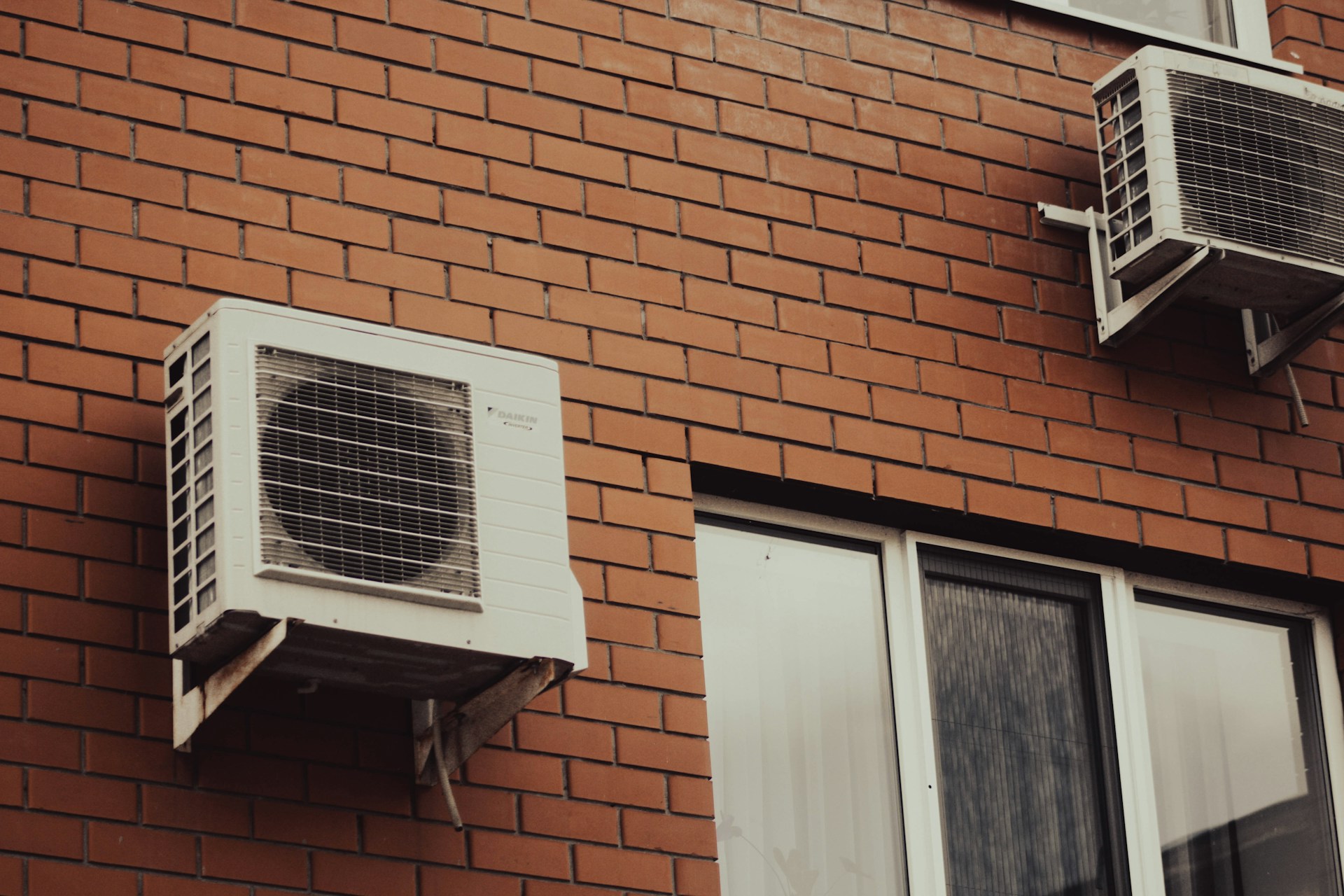
Mini split heat pump units mounted on a brick wall, illustrating HVAC solutions for efficient heating and cooling.

Troubleshooting Mini Split Heat Pump Drainage Issues in Lake City Homes

Mini split heat pumps have become a go-to choice for homeowners in Lake City looking for efficient heating and cooling in different parts of the house. These systems are especially useful for spaces like garages, additions, or bedrooms where central HVAC systems may not reach as effectively. But one issue that can get overlooked until it becomes a bigger problem is how the system drains water. Good drainage isn’t just a detail, it is a key part of how the unit functions.

When a mini split heat pump has a drainage problem, it often shows up through leaks or reduced performance. Pools of water around the indoor unit, musty smells, or even mold growth are signs that something isn’t right. These issues can be frustrating for homeowners and, if left untreated, may affect both the comfort of your home and the lifespan of the unit. Catching these drainage problems early can save time, money, and hassle.

Identifying Common Drainage Issues

If your mini split heat pump isn’t draining correctly, there are a few likely causes. These drainage problems tend to appear during high-use times, such as the summer months in Lake City when air conditioners are running often. Here are some of the most common reasons drainage systems fail:

1. Blocked or Clogged Drain Lines

Over time, dirt, algae, or even insects can clog the drain line. When the line is blocked, water backs up and may start leaking from the indoor unit. A clogged line is one of the most frequent drainage issues and is usually easy to identify once you know where to look.

2. Improper Installation

If someone installed the unit without setting the right slope for the drainage line or used the wrong materials, it can cause slow or inconsistent drainage. Even a slight misalignment in how the unit sits on the wall can lead to problems with water flow inside the system.

3. Frozen Evaporator Coils

During hot summer days, the evaporator coils work hard to remove heat and humidity from the air. If there’s restricted airflow or low refrigerant, the coils can freeze and then thaw unevenly. This results in extra water buildup that the drainage line may not be able to handle properly.

4. Full Drain Pan

The drain pan is where the condensation collects before being removed through the drain line. If the pan fills up and doesn’t empty, water can spill out of the unit. This could happen from normal wear over time, a cracked pan, or just too much condensation at once.

Identifying these issues quickly helps prevent water damage or poor performance. For example, a homeowner in Lake City once noticed a wet spot on a bedroom wall right where the indoor unit was mounted. It turned out the drain line was clogged with debris, which caused overflow during a stretch of hot, humid days. A service visit cleared the blockage before it turned into a bigger repair job.

Simple Troubleshooting Steps For Homeowners

While some drainage problems need a trained hand, there are a few safe actions homeowners can take that may prevent or reduce the issue:

– Check the drain line exit: Sometimes the area outdoors where the drain line comes out can be blocked by mulch, leaves, or even fire ants. Clearing this area can improve flow.
– Look at the filter: Dirty filters reduce airflow, which can lead to frozen coils and extra condensation. Changing or cleaning filters regularly supports drainage and performance.
– Ensure the unit is level: Even if it was installed properly, walls can shift or settle over time. Use a level to see if the indoor unit is still angled toward the drain side.
– Listen for gurgling or dripping: These sounds often suggest backup in the drain line. If you hear them, it’s a sign to stop using the unit and get it checked.

Avoid opening up any part of the system or pouring anything down the drainage line. These actions might cause more harm than good and make the situation worse. If basic checks don’t solve the issue, it’s time to bring in our professionals for a closer look.

When To Call Our Professionals

If the steps you take don’t resolve the drainage issue or if new symptoms develop, it’s time to bring in our professionals. One major sign is repeated water leakage even after basic checks have been done. This may mean clogging deep within the line or damage to internal components that aren’t visible from outside. Another red flag is water staining or damage around the indoor unit, which suggests the drain system may have been compromised for a while.

Sudden drops in cooling performance or musty odors could also mean the unit isn’t draining properly, allowing moisture to build up. These problems often get worse over time if they’re not diagnosed and fixed quickly. Delaying service may result in costly repairs or even the need to replace system parts.

Our technicians use professional diagnostic tools and knowledge to inspect critical areas without risking further damage. They’ll look beyond the surface and identify underlying causes, whether that is a bent drain line, a leak from a cracked connection, or mold developing inside the unit. By scheduling service as soon as trouble starts, you avoid more serious complications down the road.

Preventive Maintenance For Longevity

One of the best ways to reduce the risk of drainage problems is with regular upkeep. During Lake City’s hotter months, mini split heat pumps tend to work harder. That means drainage systems can get overwhelmed more easily if parts are worn out or blocked. Routine checks help keep performance strong and problems minimal.

Here are three simple maintenance habits that go a long way:

– Clear the surroundings: Keep the outdoor unit and drain exit free from plants, mulch, dirt, and other blockages. This improves both airflow and water flow.
– Wipe down indoor units: Dust and debris build up inside wall units, so gently cleaning the intake vents can help. This also helps filters stay cleaner longer.
– Stay on a maintenance schedule: Plan inspections twice a year, ideally before heading into heavy-use seasons. Trained service helps reveal small issues before they grow bigger.

These small actions can help your system last longer and support better draining, which ties right in with how well your cooling system works overall. It’s especially valuable during hot periods when the unit runs around the clock to maintain comfort.

Keep Your Mini Split Running Smoothly In Lake City

Drainage issues can seem minor on the surface, but they often lead to serious problems when ignored. Water dripping from your indoor unit or leaking onto your floor isn’t just an annoyance, it’s a sign that maintenance is overdue or a part may be failing. Taking quick action can prevent damage to walls, floors, and even your system itself.

If you’re seeing early signs of trouble or just want peace of mind going into warmer weeks, don’t wait for the issue to get worse. A well-draining mini split heat pump plays a big role in keeping your Lake City home comfortable, so keeping it in good working condition is time well spent. Let the small problems stay small by taking steps now to keep everything flowing right.

For homeowners facing drainage issues and aiming to keep their system running efficiently, Lane Heating and Air recommends seeking professional evaluation and prompt repairs. Learn more about maintaining your mini split heat pumps in Lake City to ensure reliable performance and minimal disruption, and for a quick estimate or to book a service visit, please contact us today.

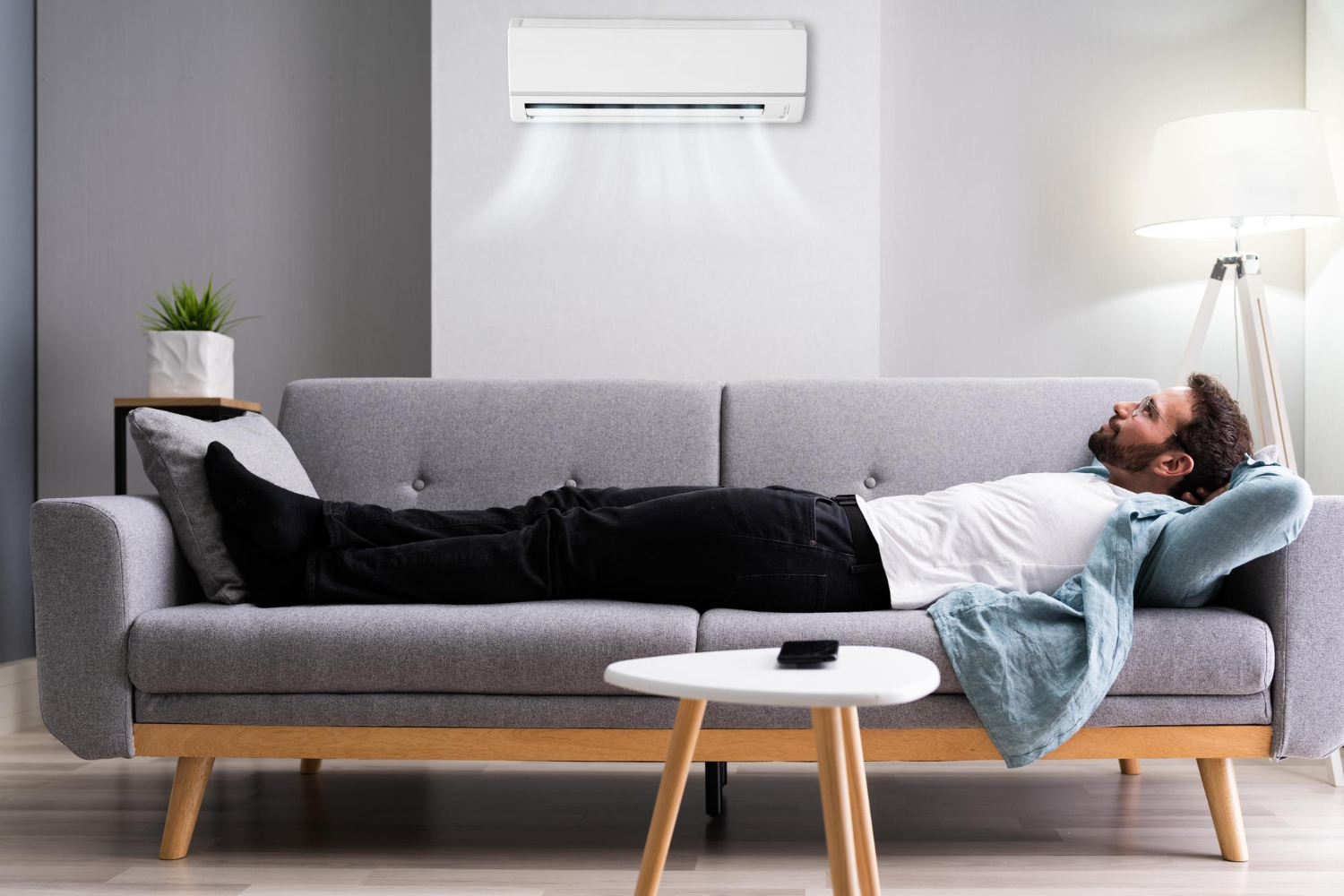
Man relaxing on a gray couch under an air conditioning unit, emphasizing comfort and airflow in a modern living space.

Why Your HVAC System’s Airflow is Restricted and How to Address It

HVAC systems play a big role in keeping homes in Lake City comfortable during hot summer months. When working as they should, they provide steady airflow that cools rooms evenly and consistently. But when the airflow in your HVAC system becomes restricted, the whole setup can struggle to do its job. That means longer run times, uneven temperatures, and more wear on parts.

Restricted airflow can lead to many problems, including higher energy bills, more frequent repairs, and a drop in overall comfort. The good news is that this issue often develops slowly, giving you time to recognize and fix it before it becomes more serious. Knowing the most common causes of blocked airflow is the first step to keeping your system working properly when you need it most.

Common Causes Of Restricted Airflow In HVAC Systems

Airflow problems can usually be traced back to a few key issues. These problems make it hard for air to move freely through the system, meaning your HVAC unit has to work harder just to produce the same results. Here is what tends to cause the most trouble:

1. Dirty or Clogged Air Filters

When filters are full of dust and debris, they stop air from flowing through easily. This forces the system to work against resistance, which not only reduces efficiency but can also lead to overheating and part failure. During Lake City’s summer months, filters can clog faster due to more use, so checking them often makes a difference.

2. Blocked Vents or Registers

Furniture, rugs, toys, or even wall decor can accidentally cover air supply or return vents. When this happens, air cannot circulate properly, and rooms may start to feel unevenly cooled. Blocked vents also create pressure imbalances that strain the blower motor and other parts.

3. Ductwork Obstructions

Sometimes, obstructions occur deeper in the system. Dust buildup, pest nests, or even loose insulation inside the ducts can restrict airflow silently over time. In some homes, this happens more in little-used areas like basements or attics where ductwork is out of sight and easy to forget.

4. Blower Fan Problems

The blower fan is what moves air through the system. If it is gunked up with dirt, misaligned, or has an electrical issue, airflow will slow down. You might hear a whirring noise or feel weak air pressure coming from your vents when the blower is not doing its job right.

Each of these problems affects airflow in its own way, but they all lead to the same result: your system runs harder, costs more to operate, and does not keep your home as cool as you expect.

Signs That Your HVAC System Has Airflow Issues

When airflow is restricted, your home gives off warning signs that are not hard to catch once you know what to watch for. These symptoms usually build up over time. If you are noticing more than one, the chances are your HVAC system is not breathing the way it should.

Look out for:

– Uneven cooling: One room feels cold while another stays warm, even when the system is running
– Weak airflow: Air coming through vents feels faint or inconsistent across the house
– Strange noises: Whining, whistling, or rumbling sounds from vents or equipment can point to blockages
– Longer run times: The system takes longer than usual to reach the set temperature
– Short cycling: The unit turns on and off more than usual, which can signal overheating due to blocked airflow
– Higher utility bills: Less airflow means your system runs longer, driving up energy use

For example, a homeowner in Lake City noticed that their guest bedroom was always warmer than the rest of the house, despite the vent being open. After an inspection, it turned out that a large suitcase had been up against the return vent in the hallway, choking off circulation. Once the blockage was removed, airflow balanced out and the indoor temperature became more comfortable.

Recognizing airflow issues early means you can take simple steps to fix them or contact our technicians before the situation gets worse. When airflow is unbalanced, it will not fix itself. The longer the problem goes on, the more strain is placed on other parts of your HVAC system.

Steps for Addressing Airflow Issues

If you are noticing weak airflow or uneven temperatures, there are a few first steps you can take at home to try to get things back on track. Some of the more common blockages or flow problems come from causes that are easy to fix once you know what you are looking for.

Start with these basic steps:

– Replace the air filter: If it has been more than a month since you last checked it, there is a good chance it is due for a change. A clean filter helps maintain steady airflow and protects your equipment
– Inspect each vent: Make sure all supply and return vents are open and not blocked by furniture, rugs, or boxes. These vents need space around them to let air move freely
– Check around visible ductwork: Look in areas like the garage, attic, or crawl spaces where ducts are often exposed. You might spot kinks, holes, or visible blockages that need attention
– Listen near the indoor unit: If you hear grinding or wobbling sounds, the blower motor could be struggling. In that case, it is safer to stop use until a technician can take a look

While these steps can solve smaller airflow issues, bigger concerns such as duct buildup, fan motor trouble, or hidden blockages will need professional inspection. Left unchecked, they can lead to reduced system life and higher repair costs down the line.

Preventive Maintenance Tips to Ensure Optimal Airflow

Getting ahead of airflow problems starts with maintenance. Homeowners in Lake City can do simple things between tune-ups to help support long-term HVAC performance and comfort.

Even when your system is working well, it helps to set up a habit of doing quick checks every month or two. Look for signs of dust buildup around vents, make sure the filter looks clean, and walk through the house to feel if the airflow feels balanced across each room. Taking care of the small stuff keeps things from snowballing.

It also helps to schedule a professional inspection once a year. During a visit, technicians can clean components like the blower assembly, inspect internal ductwork for buildup or damage, and test system airflow levels. These deeper checks catch problems you may not see or hear during daily use.

Just as important is keeping the area around vents and indoor equipment clear. Move furniture away from vents and keep household items from blocking returns. This small habit prevents pressure buildup inside the system and encourages better air distribution.

With high summer demand in Lake City, HVAC units go through daily stress trying to keep homes cool. Making sure airflow stays steady helps lower that stress, save energy, and reduce the chance of repair visits.

Maintaining Comfort and Efficiency in Your Lake City Home

When airflow issues are fixed promptly, your HVAC system gets a chance to return to peak performance. You are likely to notice more consistent temperatures and a more comfortable home overall. Minor problems like blocked vents or dirty filters may seem small, but they can snowball into larger issues if left alone too long.

Keeping airflow clear also supports other parts of your HVAC system, like the blower motor, compressor, and thermostat. You will not have to run the unit as long to feel comfortable, and that means less strain across the board.

Homeowners in Lake City benefit most when they stay proactive. A filter replacement takes a few minutes, but it can help avoid hours of repair later. Watching for signs like strange noises or hot spots in certain rooms gives you a heads-up before the system starts to wear out.

Good airflow keeps your home cooler, your energy bills lower, and your HVAC system running smoothly. With the right care, your equipment will not just perform better, it will last longer, too.

To keep your home comfortable and avoid further issues from restricted airflow, Lane Heating and Air is here to help. When problems arise, the timely involvement of our technicians can make a difference in preventing costly repairs and uneven temperatures. For expert HVAC service in Lake City, our team works to restore your system’s performance and ensure consistent comfort throughout your home. For a quick estimate or to book a service visit, please contact us today.