

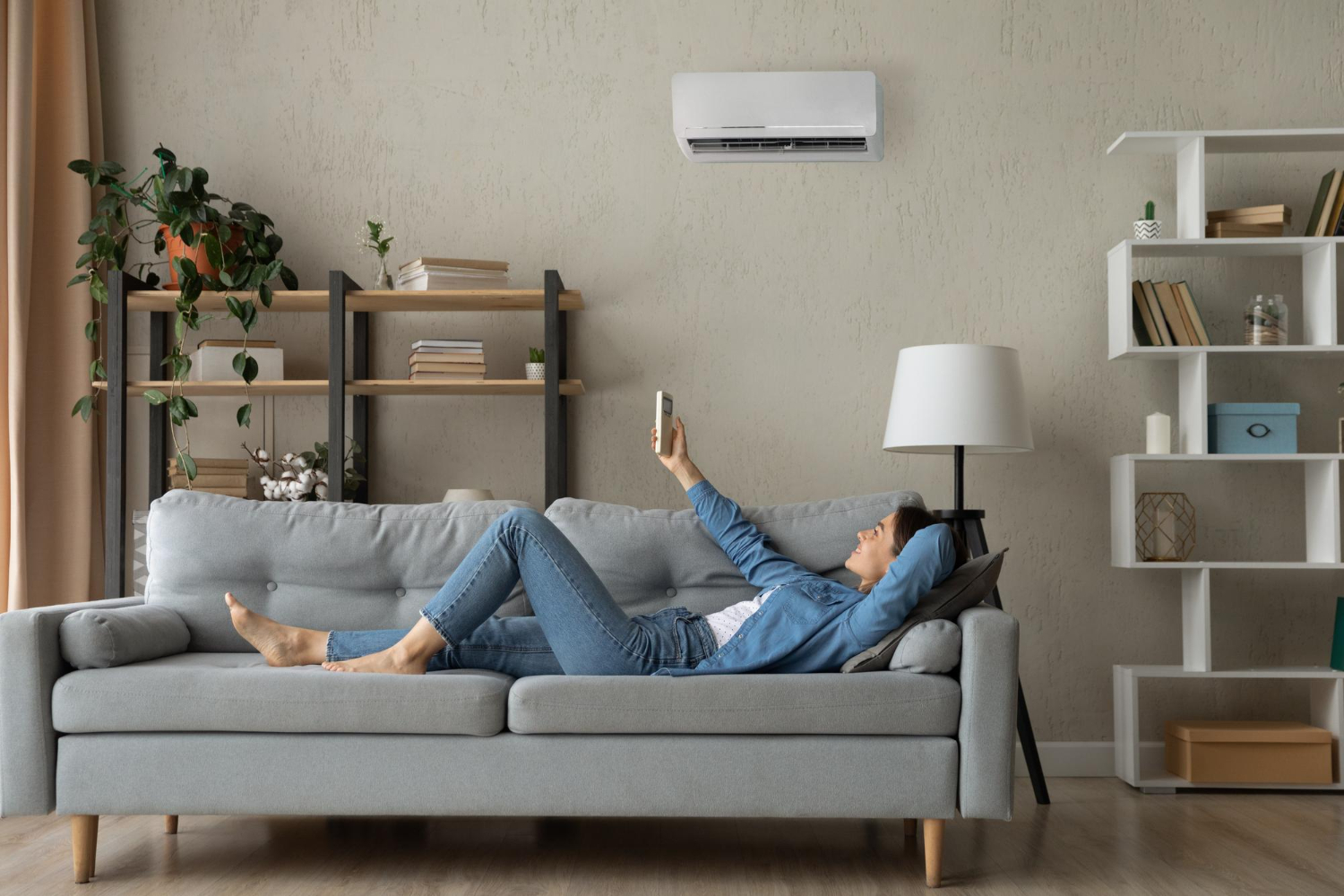
Ductless AC

Fixing Temperature Imbalances in Your Ductless AC System

Temperature imbalances across rooms can make your home feel uncomfortable, especially during hot summer months in Lake City. With ductless AC systems, you expect consistent cooling from room to room. When one area stays cool while another feels warm or stuffy, it causes frustration and concern about whether the system is working correctly. Understanding the source of these issues is the first step to solving them.

Unbalanced temperatures might signal minor airflow blockages or more serious issues like improper installation. Identifying these early helps maintain comfort and extends the life of your ductless air conditioner in Lake City. Knowing how to spot and address these problems can lead to more reliable home comfort.

Common Causes Of Temperature Imbalances

If parts of your home feel consistently warmer or cooler, certain conditions may be creating temperature differences. For homeowners operating a ductless air conditioner in Lake City, many of these issues relate to either installation quality or system upkeep.

Some of the most frequent causes include:

- Blocked or Dirty Filters

If filters in the indoor units are clogged with dust and debris, airflow becomes limited. Reduced air circulation prevents rooms from cooling evenly. This also forces the system to work harder, reducing efficiency.

- Improper Installation

Ductless units need to be installed to maximize airflow. If placement ignores how air moves in a space, some rooms will not get enough cooling. Units must also be level to allow proper drainage and peak performance.

- Thermostat Placement Issues

Each indoor unit has its sensor or thermostat. If it is placed near a heat source or in direct sunlight, it might misread the room’s temperature. This results in cool air being cut off too early, leaving parts of the room too warm.

- Inadequate Insulation

Temperature inconsistency might not be caused by the AC unit itself but by the room’s construction. Poor insulation allows heat to enter or cooled air to escape. Rooms with less insulation will naturally run warmer.

One Lake City homeowner noticed a bonus room always felt hotter. After checking the filter and making no progress, they had the insulation inspected. The insulation over that room had settled and lost effectiveness. Reinforcing it brought the temperature in line with the rest of the house.

If your ductless system is showing signs of imbalance, don’t wait. Summer temperatures can make the issue worse and harder to fix later.

Techniques To Balance Temperatures In Your Ductless System

If you have uneven cooling inside your home, there are steps you can take to improve performance without replacing the system. Making small improvements can restore balance and comfort throughout the space.

Here are several ways to improve air distribution and temperature regulation:

1. Schedule Regular Maintenance

Professional cleaning removes dust and buildup that block airflow. Inspections also help identify less obvious problems like low refrigerant or pressure issues, which can quietly reduce efficiency and cause hot spots.

2. Adjust Thermostat Placement and Settings

Verify that the sensors are positioned in spots free from heat-producing electronics or direct sunlight. Small setting adjustments—lowering a couple degrees in certain rooms—can make a noticeable difference.

3. Check for Obstructions and Keep Doors Open

Make sure furniture isn’t blocking airflow from the wall-mounted units. Keeping doors open between rooms can help air circulate better, especially in systems where multiple units cover overlapping areas.

4. Seal Cracks and Add Insulation

Apply weatherstripping to window and door frames. Add insulation in walls or attics if needed. These simple fixes keep cool air indoors and hot air out, creating more consistent temperatures across zones.

5. Use Ceiling Fans

Fans set to spin counter-clockwise can help move cool air down into living spaces. Running fans on low will reduce hot spots and make the air feel cooler, even in rooms with weaker circulation.

These small steps often improve air distribution and reduce discomfort. If the problems persist, it may signal a more technical issue, best handled by our trained professionals.

Signs You Need Professional Help

When adjustments like cleaning filters or repositioning sensors don’t improve your comfort, a professional inspection becomes necessary. Ongoing uneven temperatures could indicate deeper issues that worsen with time.

Watch for these signs:

- Persistent Temperature Gaps

If trying multiple changes doesn’t solve the imbalance and one or more rooms remain uncomfortable, it is time to call our technicians.

- Unusual Noises or Odors

Buzzing, grinding, or musty odors coming from the units may suggest electrical issues, fan problems, or mold growth—all of which reduce system performance and could pose risks.

- Higher Energy Bills

A ductless system that runs longer to compensate for cooling gaps can drive up your bills. Short cycling, where units turn on and off frequently, is another sign that parts of the system are under strain.

- Frequent Cycling

A unit that turns off before the room is fully cooled, only to restart shortly after, may have issues with sensor placement, faulty parts, or refrigerant flow. These problems waste energy and quickly wear down the system.

If your system shows any of these symptoms, scheduling a visit with our professionals can keep small problems from becoming costly repairs.

How Our Professionals Address Cooling Imbalances

Our technicians inspect and fine-tune systems based on each home’s needs. We diagnose issues using tools and experience rather than guessing. That leads to quicker results and longer-lasting repairs.

Typical services include:

- Complete System Inspection

This includes checking refrigerant levels, sensor alignment, operation patterns, and whether the indoor and outdoor units are performing correctly across all zones.

- Proper Cleaning

Removing dust or buildup from fans and coil surfaces helps your ductless AC cool more effectively. Clean systems also use less power and maintain set temperatures more easily.

- Unit Re-balancing

Our professionals look at the tilt, height, and position of each unit to make sure airflow is moving correctly. They make adjustments for better direction and distance of cooled air.

- Advice and System Use Recommendations

Beyond the repairs, our technicians can provide suggestions based on your home’s layout—ideal thermostat settings for different rooms or tips on how to get better cooling in high-use areas.

Sometimes imbalance issues seem small at first but may stem from refrigerant leaks, electronic malfunctions, or aging internal parts. Waiting too long to involve professionals can increase the repair cost.

Keeping Your Home Comfortable Through Summer In Lake City

As outdoor temperatures rise in Lake City, your ductless AC system’s performance is tested daily. A cooling system that once worked fine in mild conditions might show signs of struggle in peak heat. Balanced air conditioning becomes more important than ever.

Staying on top of maintenance goes a long way in keeping your system efficient. Having our professionals inspect and service your system before or during the summer helps avoid sudden surprises and supports year-round comfort.

Even small inefficiencies can cause uneven cooling. One room warms up in the afternoon, another stays too cold at night. These are early signs that small repairs or adjustments may be needed. Leaving them unresolved means the system could wear out quicker or operate with less efficiency all summer.

For homeowners in Lake City, steady and consistent comfort makes day-to-day living more predictable and less frustrating. If any area of your home feels like it can’t keep up, now is a good time to have it looked at. Regular checks can save time, lower energy use, and prevent more serious problems later.

If you’re experiencing uneven temperatures that compromise your home comfort, Lane Heating And Air recommends taking a closer look at your cooling performance. Exploring whether a ductless air conditioner in Lake City is right for your space can be a smart next step. For a quick estimate or to book a service visit, please contact us today.
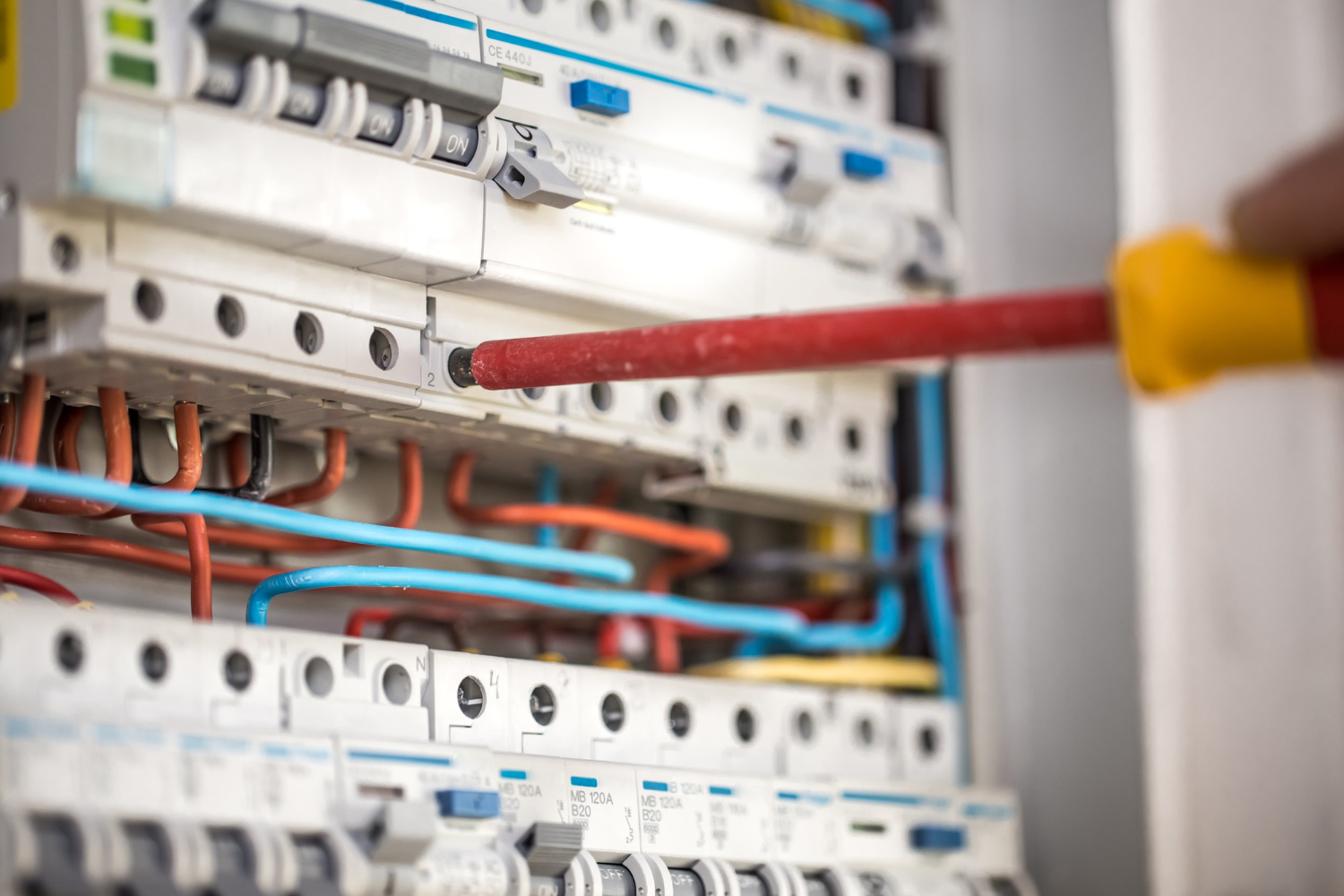

Electric circuit breaker panel with colorful wiring and a screwdriver, illustrating HVAC system maintenance and troubleshooting in Lake City.

Why Your AC Circuit Breaker Trips and How to Respond

During the middle of summer in Lake City, no one wants their AC to suddenly cut off. A working air conditioner isn’t a luxury when temperatures rise — it’s a necessity. But when your AC stops running and you discover the circuit breaker has tripped, it can leave you stuck in the heat with no immediate answers. This kind of interruption can be more than just frustrating. It often points to problems inside the system that shouldn’t be ignored.

Understanding what’s behind this issue helps prevent bigger breakdowns and potentially saves money on future repairs. Many homeowners see their AC trip the breaker repeatedly without knowing why. This cycle might seem like a minor headache at first, but it’s often a warning sign that the system is under stress. The key is to catch the issue early, understand what’s causing it, and respond correctly before damage spreads to other parts of the system.

Common Reasons Why Your AC Circuit Breaker Trips

When an AC circuit breaker trips, it’s because the system is trying to protect itself from damage. That sudden shutdown usually means the unit is pulling in more electricity than it should or something is pushing it beyond its limit. Here are the most common reasons your breaker might keep flipping:

1. Electrical Overload

An AC that draws more power than its circuit can handle causes the breaker to trip. This can happen if the unit is struggling with demand, such as cooling down a hot room quickly on an extremely warm day, or if the circuit is also powering other appliances alongside the AC. Over time, this added load can wear out parts and increase the risk of overheating.

2. Dirty Air Filters

Clogged filters block proper airflow through the system. When airflow is restricted, the AC works harder to push air through the ducts. That extra work forces the motor to draw more current, which often leads to the breaker tripping. If it’s been a while since the filter was replaced or cleaned, this could be a quick and simple fix.

3. Refrigerant Leaks

Low refrigerant levels place extra pressure on the compressor. Instead of cycling normally, the system runs longer and less efficiently while trying to cool the space. Eventually, this overwork causes the system to overheat, which can trip the breaker. Refrigerant handling should always be left to our professionals due to the equipment and licenses required.

4. Faulty Components

Breakers may trip if internal components such as the compressor, capacitor, or wiring are malfunctioning. These parts are essential for managing power, pressure, and startup. A failing compressor, for example, may struggle to start and pull more current than normal, which causes the breaker to flip. Faulty wiring or a worn capacitor can have similar effects.

If any of these issues are suspected, it’s important to shut power to the unit until it can be inspected. Continuously restoring power to a failing system increases the chance of more extensive damage. Having our technicians evaluate the problem early can prevent unnecessary wear and tear.

Immediate Steps to Take When Your AC Breaker Trips

If your AC breaker trips, it’s important to act quickly and safely. Ignoring the problem or turning the system back on without understanding why it stopped can lead to more serious issues. Here are steps you can take right away:

– Turn Off the AC System: Once you notice the breaker has shut off, turn off your thermostat and disconnect power to the AC unit. This protects internal components like the compressor from restarting under stress.

– Safely Reset the Breaker: At your main electrical panel, find the tripped breaker. It will usually be positioned between “On” and “Off.” Move it completely to the “Off” position, wait a few seconds, then flip it back to “On.” Do not force the switch if it resists, as that may point to a larger electrical problem.

– Check the Air Filters: Remove the air filter and check its condition. A dirty or clogged filter should be replaced before you attempt to restart the unit. Restricted airflow can immediately trigger another overload.

– Inspect Air Vents: Walk through your home and make sure all air vents are free from blockages, like furniture or storage containers. Obstructed vents can lead to uneven cooling and strain on the system.

An issue like this recently came up in a Lake City home, where the homeowner noticed the AC shutting off every afternoon. A quick reset allowed it to work briefly, but the breaker tripped again. After checking, it was discovered that the filter had not been changed for several months and many vents were partially covered. Once these issues were corrected, the system ran properly again.

If your unit continues to trip the breaker after these steps, it’s time to stop troubleshooting on your own. Electrical and mechanical problems require proper tools and training to address safely.

When to Call Our Professionals

Some AC problems need to be examined by our professionals, and a circuit breaker that continues to trip is one of them. If the unit doesn’t stay on after a single reset, there’s usually a deeper problem that won’t fix itself. Resetting the breaker repeatedly can lead to serious damage or even present safety hazards inside your home.

Here are signs it’s time to contact our professionals:

– The breaker keeps flipping even after the air filter has been addressed.

– You hear buzzing, clicking, or grinding noises from your AC unit or air handler.

– There is a burning smell or abnormal heat coming from the breaker panel or vents.

These warning signs often point to electrical or mechanical faults. Whether it’s a worn capacitor, faulty wiring, or an overheating motor, problems like these should be handled by trained technicians. When our technicians arrive, they inspect both your AC system and the electrical components working with it to find what’s causing the issue.

Regular inspections and timely maintenance visits are a good way to stop these problems before they lead to failure. Even if you keep up with filter changes, mechanical parts can still wear out without warning. Our technicians are trained to detect early warning signs and help you avoid mid-summer breakdowns. A routine service appointment often resolves minor issues before they grow into bigger problems.

Protecting AC Performance Through Summer in Lake City

Circuit breakers trip for a reason. They protect your air conditioner from serious damage when something isn’t working right. Whether the problem is a clogged filter, low refrigerant, or worn parts, each instance of tripping is a warning that the system is under excess stress.

Timely reactions are the smartest way to protect your system. If you’re in Lake City and your AC trips the breaker, check for obvious signs like a dirty filter or blocked vents. If those aren’t the cause, it’s time to schedule service. Local air conditioners are under heavy use in summer, and waiting too long allows minor issues to create larger, costlier ones.

Keeping up with regular maintenance and paying attention to small issues helps your AC run smoothly for longer. When you take action before things get worse, you protect both your comfort and your system’s long-term function. For residents in Lake City, that kind of attention can make the hottest months much easier to manage.

If your AC breaker issues persist, it may be time to schedule a more thorough inspection to prevent costly damage during Lake City’s hottest months. At Lane Heating And Air, we understand that a quick reset might not address underlying issues that could compromise your system’s performance. Learn more about AC repair in Lake City and take proactive steps to ensure your comfort all summer long. For a quick estimate or to book a service visit, please contact us today.

Technician in yellow hard hat and blue overalls inspecting a heat pump unit, with tools and a ladder nearby, emphasizing heat pump troubleshooting.

Solving Common Heat Pump Performance Issues in Summer

During the summer in Lake City, a working heat pump can make all the difference in keeping your home cool and comfortable. These systems are relied on to move warm air out of your home and keep indoor temperatures at a comfortable level when the heat outside rises. When they’re not working the way they should, it doesn’t take long to notice—things get stuffy, uncomfortable, and harder to manage.

Unfortunately, many homeowners deal with heat pump performance problems just when they need cooling the most. From airflow issues to refrigerant troubles, small problems can snowball into bigger ones if they’re not dealt with early. Being able to spot these performance issues right away can help prevent long-term damage while saving on energy use and repair costs.

Common Heat Pump Problems Homeowners Face in Summer

A heat pump that isn’t cooling properly might be dealing with one or more typical issues. Most of these problems develop gradually, so they aren’t always obvious right away. If your system seems to be working harder than normal or isn’t keeping your home as cool as it used to, it’s often a sign that something is off.

Here are some of the most common summer performance issues:

– Dirty or clogged air filters: This limits airflow through the system, forcing your heat pump to work harder and less efficiently. It can affect overall comfort and air quality.
– Low refrigerant levels: This often happens due to leaks. Without enough refrigerant, the system can’t remove heat properly, leading to weak cooling performance.
– Dirty exterior coils: Dust, stray grass, and debris can coat the outdoor coil and block heat release, making the heat pump less effective at pushing heat out of your home.
– Frozen evaporator coils: Low refrigerant or airflow problems can cause the coil inside the indoor unit to freeze, stopping the circulation of cool air.
– Malfunctioning thermostats: Inaccurate readings or poor communication with your heat pump can make it turn on or off at the wrong times or run longer than needed.

All these problems affect the way your heat pump works and put extra demand on the system. If ignored, what started as a minor issue could cause a total system failure at the height of summer.

Diagnosing Heat Pump Problems Early

Spotting a cooling issue early can help prevent bigger problems and keep your home comfortable. Many homeowners may not realize how important it is to recognize signs of trouble in heat pump systems in Lake City—until it’s too late. Knowing what to watch for can help take care of problems before they require major repairs.

If your home suddenly cools unevenly or if some rooms feel warmer than others, that might mean airflow is blocked or there’s a problem between the thermostat and heat pump. Strange sounds such as buzzing, rattling, or clicking may point to loose parts or electrical problems. If you notice your energy bills rising with no clear reason, your system may be overworking to maintain your set temperature.

Other signs of trouble include:

– Warm air blowing from the vents when the system is set to cool
– Short cycling, where the unit turns on and off more frequently than normal
– Ice forming on the outdoor unit or indoor coil
– Weak airflow from vents even though the fan is on
– Musty or damp smells during system operation

Even if your system seems to be running, these signals could mean it’s struggling. Fixing these situations quickly can help avoid damage to other parts of the system and reduce the chance of a full breakdown during extreme heat.

Why Professional Help Makes the Difference

Heat pump systems may appear simple, but the internal workings are complex. Different parts need to function in sync for efficient cooling. When performance drops, diagnosing the issue properly may involve checking refrigerant levels, testing electrical components, inspecting for blockages, or recalibrating the controls—all things that should be left to trained hands.

Our technicians at Lane Heating And Air are experienced in spotting issues quickly and knowing how to resolve them the right way. For example, in a case where a heat pump is blowing warm air, a homeowner might assume it’s the thermostat. But our team can quickly determine if it’s actually low refrigerant or another internal failure that’s harder to spot without tools and training.

What sets professional service apart isn’t just repair—it’s also prevention. Our technicians can identify and correct underlying issues that a quick fix might miss. We clean, adjust, and reset critical parts to improve airflow and restore the system’s ability to operate smoothly.

Simple Steps to Keep Your Heat Pump Efficient

Once your heat pump is working the way it should again, a few small tasks can help it remain reliable throughout the summer months. These maintenance steps don’t take the place of professional visits, but they can make a noticeable difference in performance and help delay any future repairs.

Here’s what you can do:

1. Check your air filter each month and replace it when it looks dusty or dirty.
2. Cut back plants and clear leaves or other debris near your outdoor unit.
3. Wipe off supply and return vents around your home to keep air flowing freely.
4. Keep your thermostat set to a consistent temperature to avoid overuse.
5. Stay alert to unusual sounds or behavior from the system and request service if needed.

By following these simple habits, homeowners in Lake City can support system efficiency and improve their indoor comfort, even during the hottest days of the season.

Keep Heat Pump Problems from Dragging Down Your Comfort

When summer temperatures climb in Lake City, dependable cooling is a must. Your heat pump should be ready to meet the challenge—but even small issues can impact how well it performs. Signs like weak airflow, unusual noises, or uneven cooling often point to a larger developing problem.

Most heat pump problems during the summer start small and can be corrected with the right help before they get worse. Understanding what to look for and acting early can help you avoid major system failures and uncomfortable indoor conditions. Heat pump issues don’t mean you need a new system. Reliable repairs and thoughtful maintenance can make a big difference in both performance and peace of mind. Whether your system is working harder than it used to or just doesn’t feel like it’s cooling quite right, it’s time to take a closer look.

If your home needs reliable cooling this season, it is time to keep your system in top shape by addressing any early signs of trouble. At Lane Heating And Air, our professionals have the know-how to support steady performance and comfortable indoor temperatures even during hot summer days in Lake City. Learn more about heat pump systems in Lake City and ensure your cooling setup is ready for the challenges ahead. For a quick estimate or to book a service visit, please contact us today.